
Where Design
Meets Craft
Explore the art of clothing design — from the first sketch to the final stitch. Discover styles, materials, and the creative process behind every garment.
Seven Worlds
of Fashion

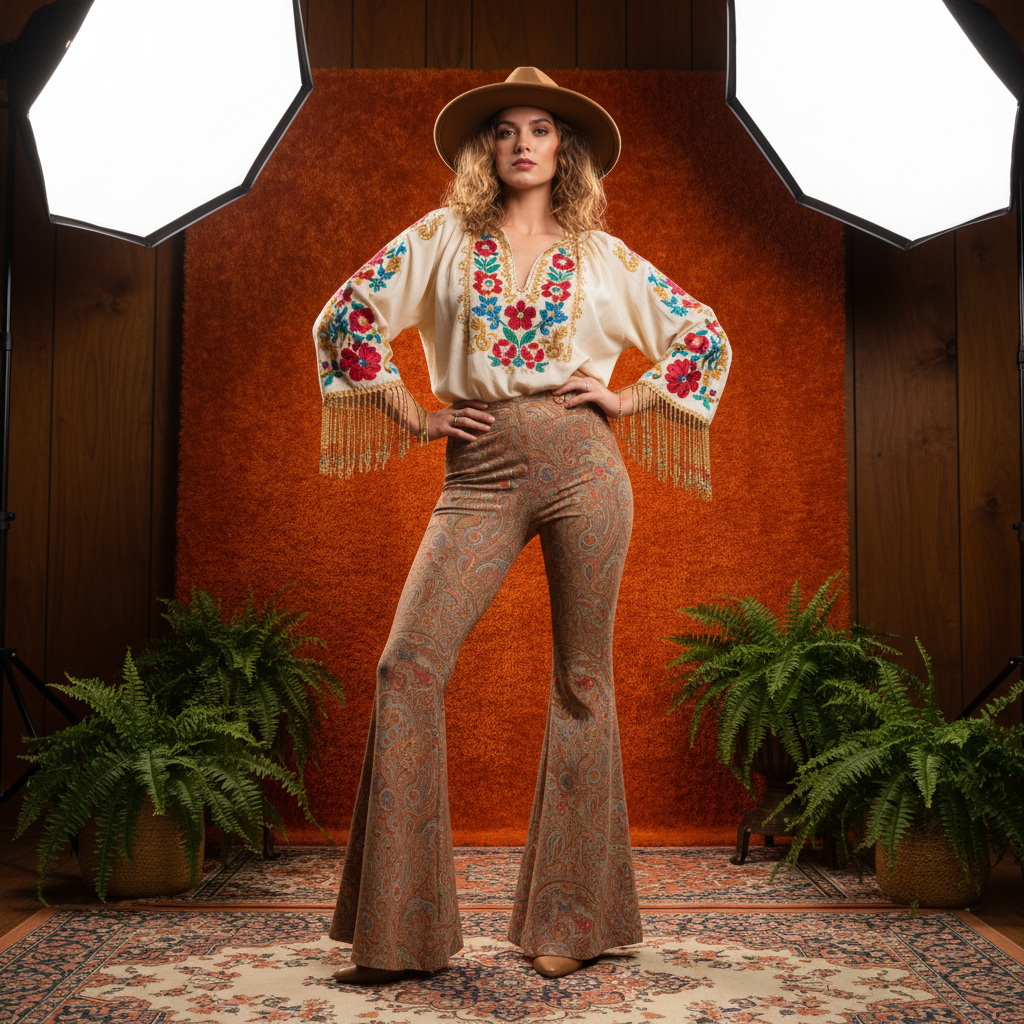
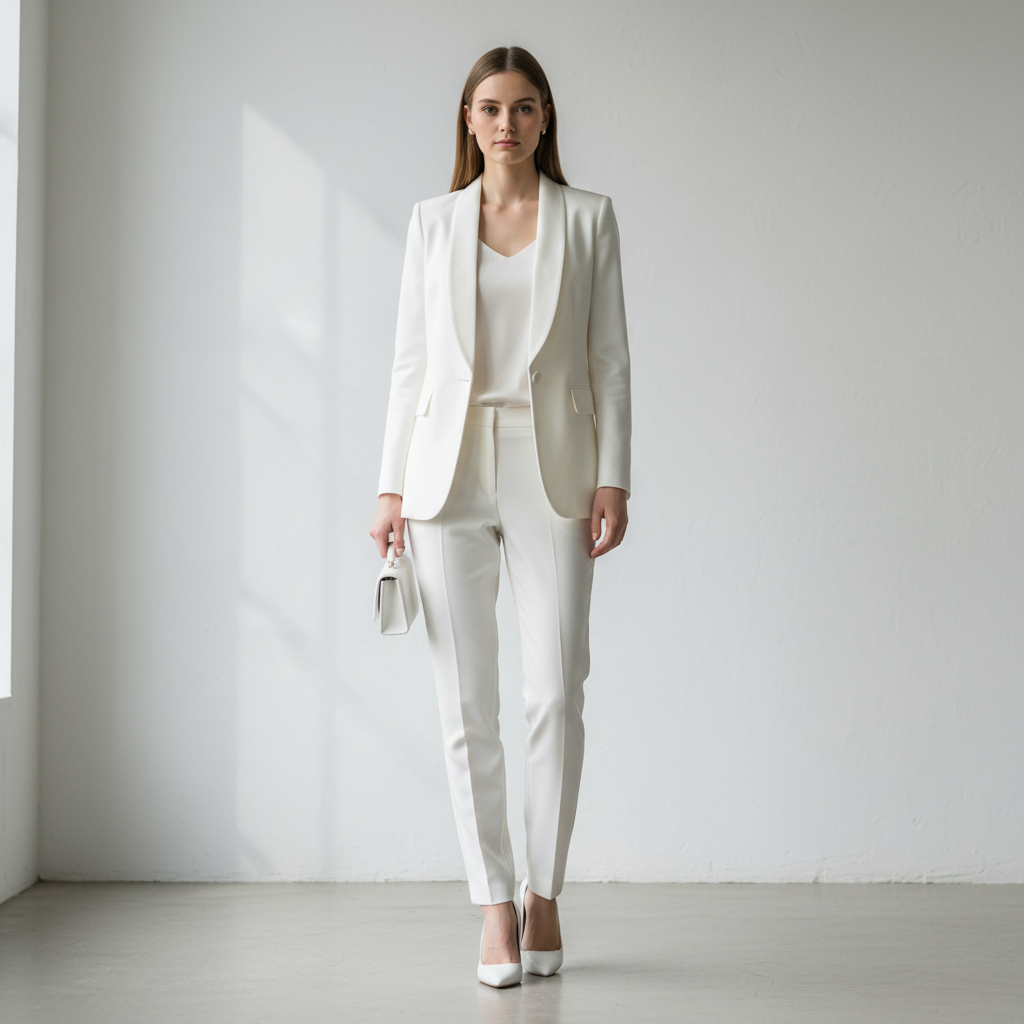
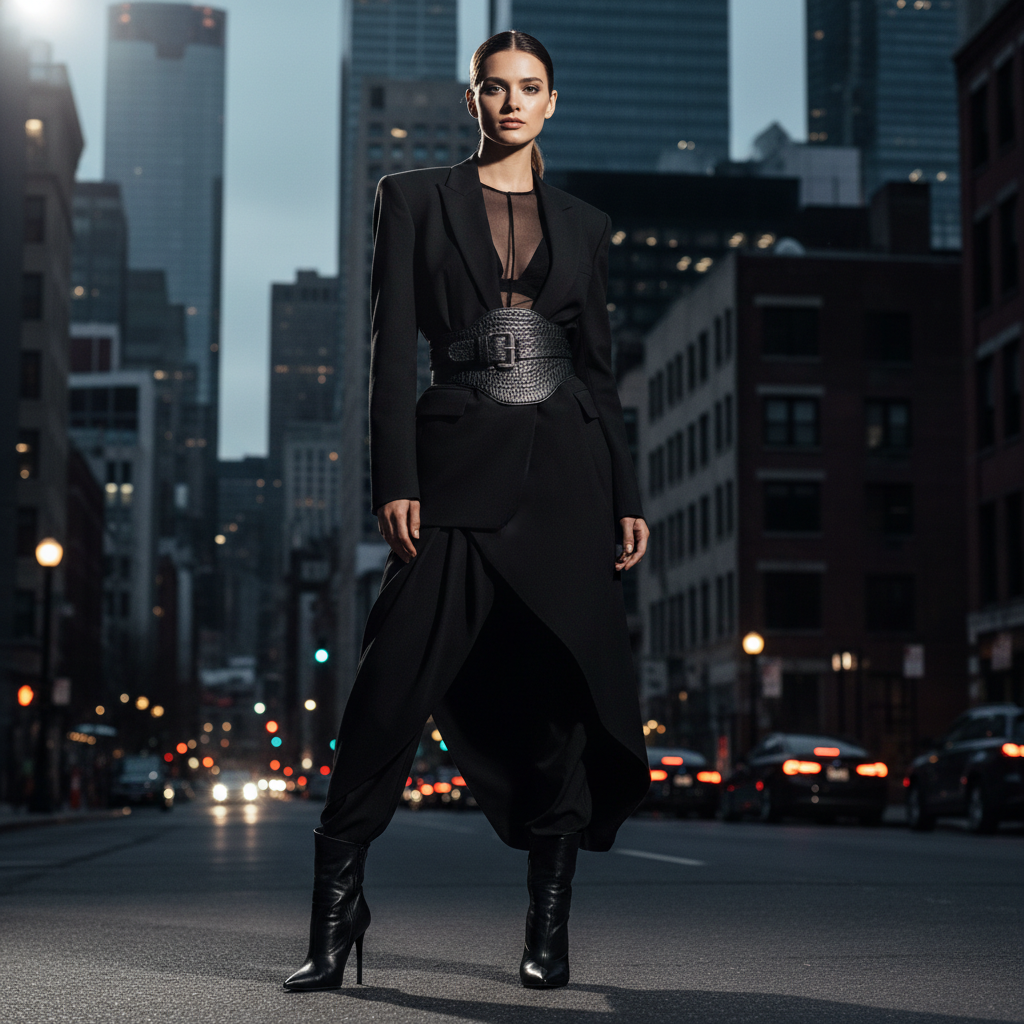
From Idea
to Garment
Seven essential steps transform a creative vision into a wearable piece of art. Each stage requires precision, skill, and artistry.
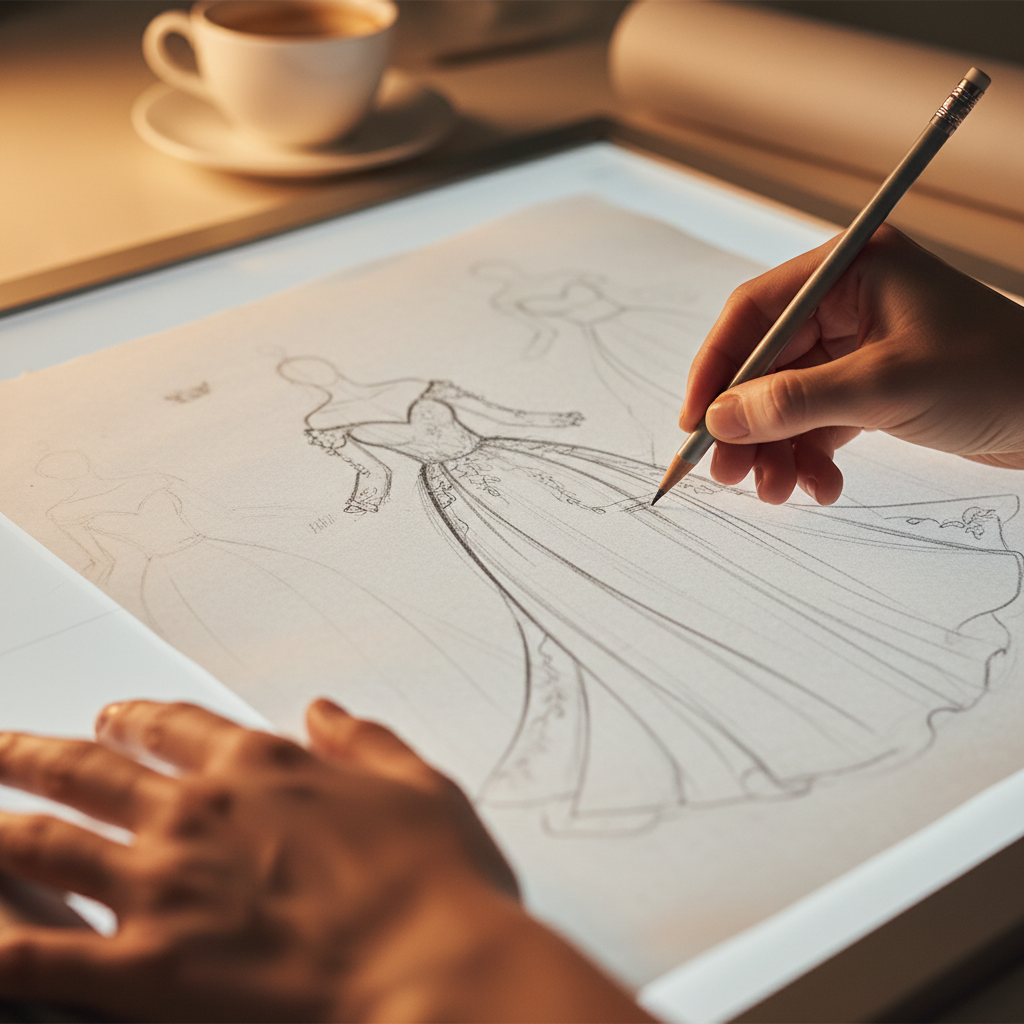
Idea & Sketching
Every garment begins as a hand-drawn sketch. Designers capture silhouettes, proportions, and details — translating inspiration into visual form before any fabric is touched.
Mood boards, reference imagery, and conceptual drawings form the foundation of every collection.
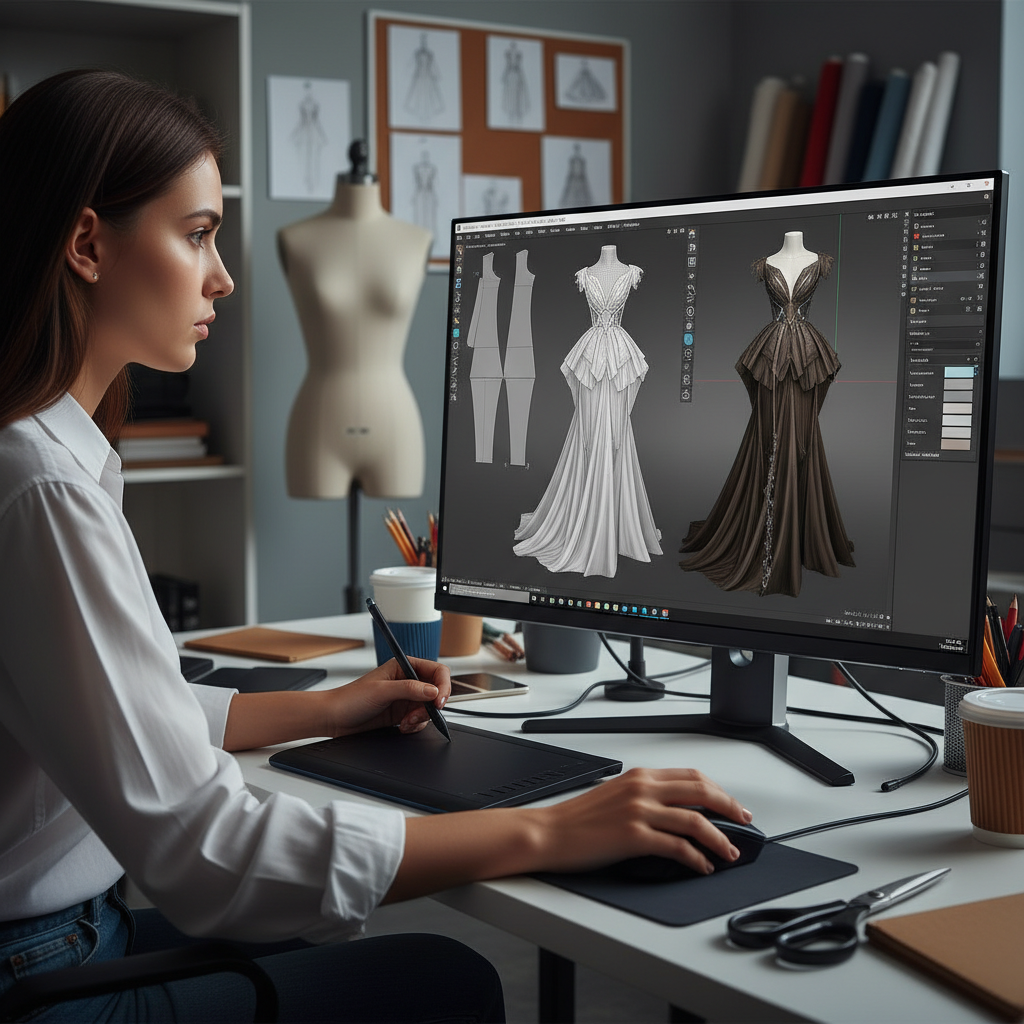
Digital Fashion Design
Sketches are transformed into precise digital renderings using CAD software. Colors, textures, and proportions are refined before moving to production.
Software like CLO3D and Adobe Illustrator allow designers to visualize garments in 3D before cutting a single piece of fabric.
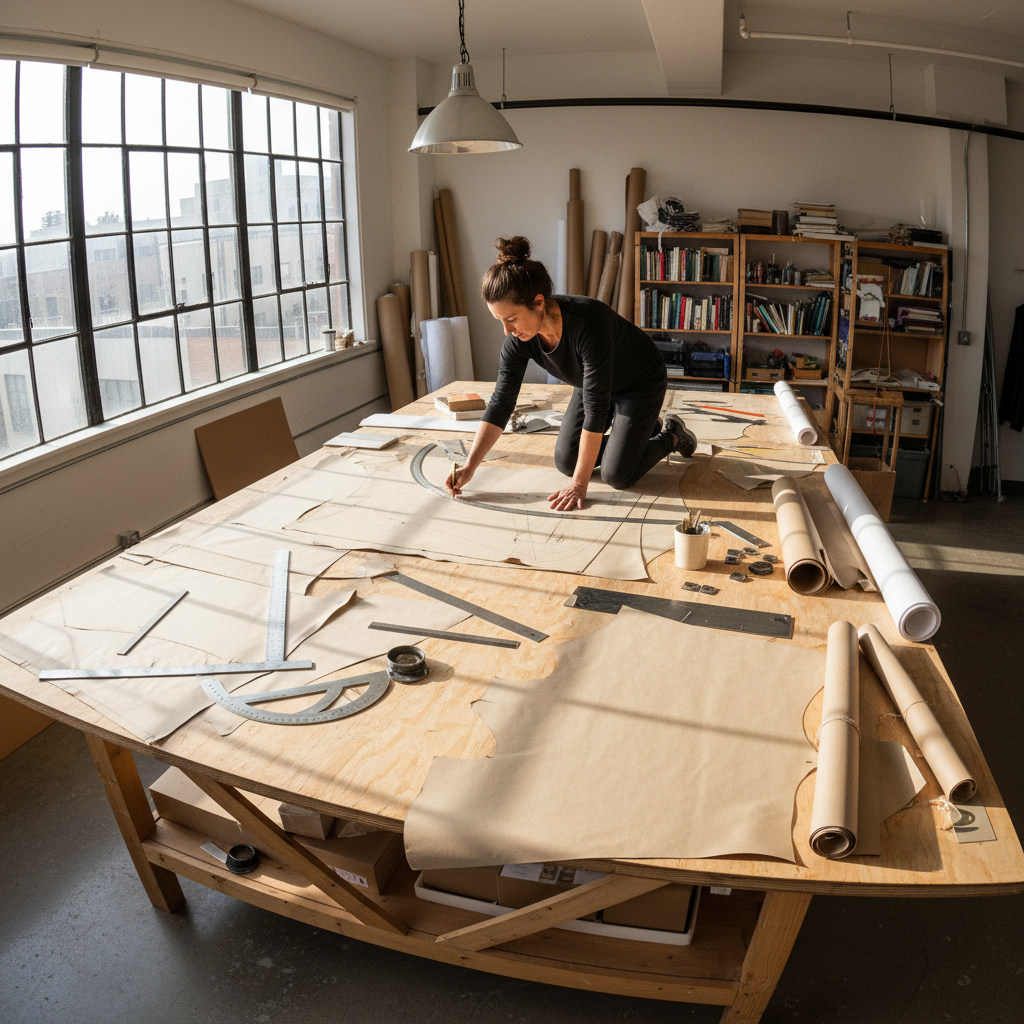
Pattern Making
Technical patterns are created as flat templates for each garment piece. Precision is critical — even a millimeter affects how a garment fits and drapes.
Graders then scale patterns across multiple sizes to ensure consistent fit throughout the size range.
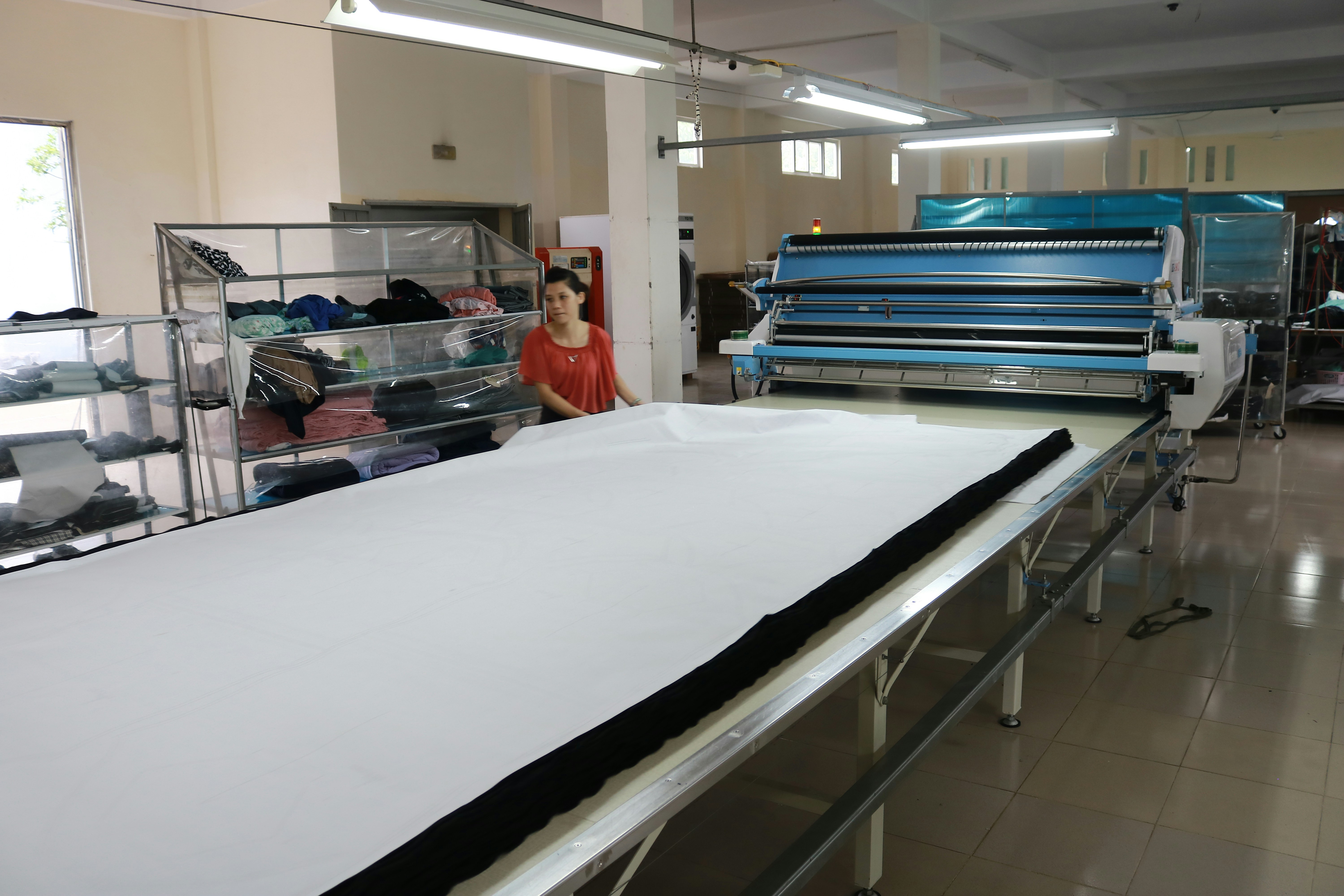
Fabric Cutting
Chosen fabrics are laid flat and cut according to the patterns. Industrial cutters ensure precision across multiple fabric layers simultaneously.
Marker making optimizes fabric usage, reducing waste by up to 15% in modern production facilities.
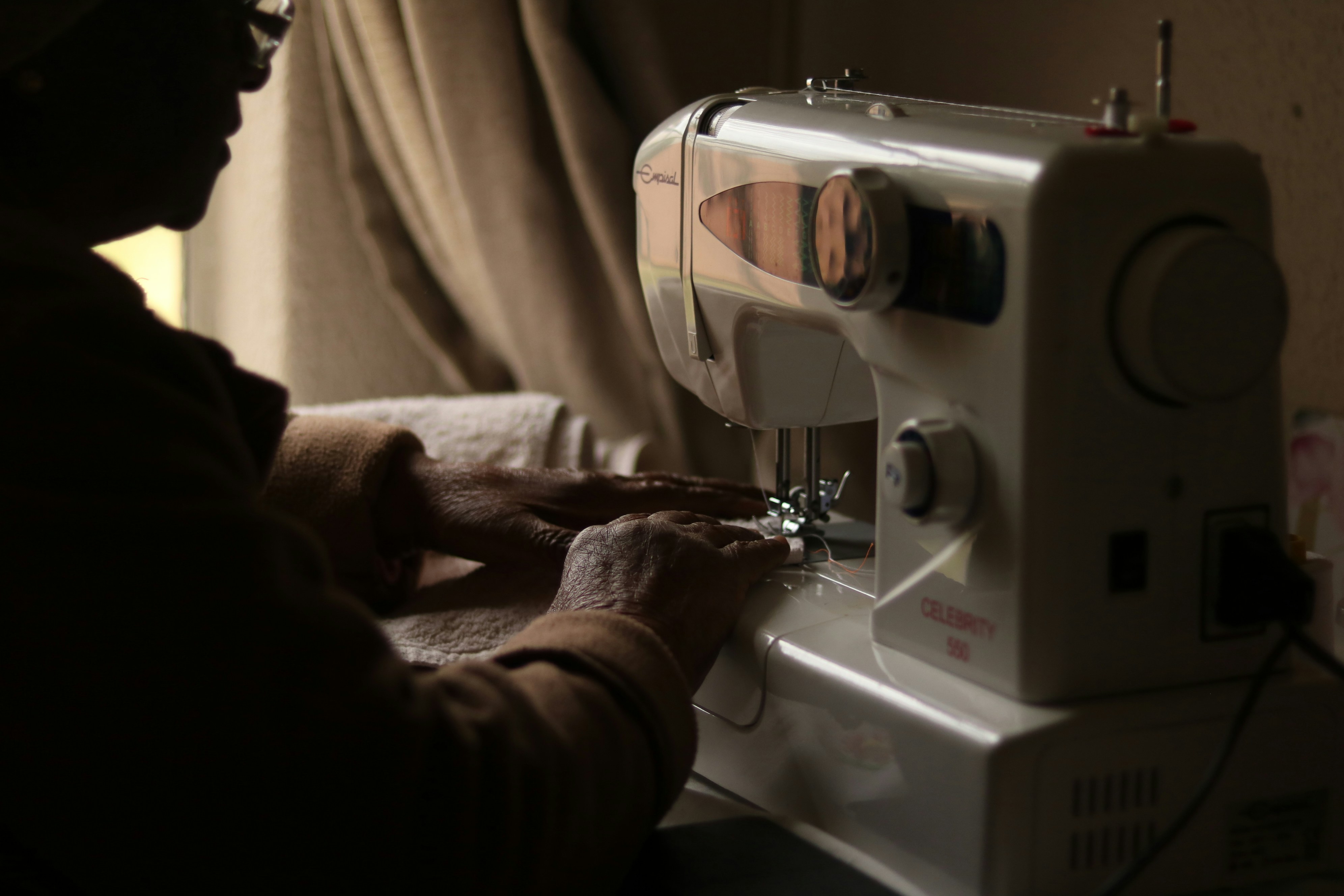
Sewing & Assembly
Cut pieces are sewn together by skilled garment workers. Different seam types, stitching techniques, and construction methods define quality and durability.
A single garment may require 50–200 individual sewing operations depending on its complexity.
Quality Control
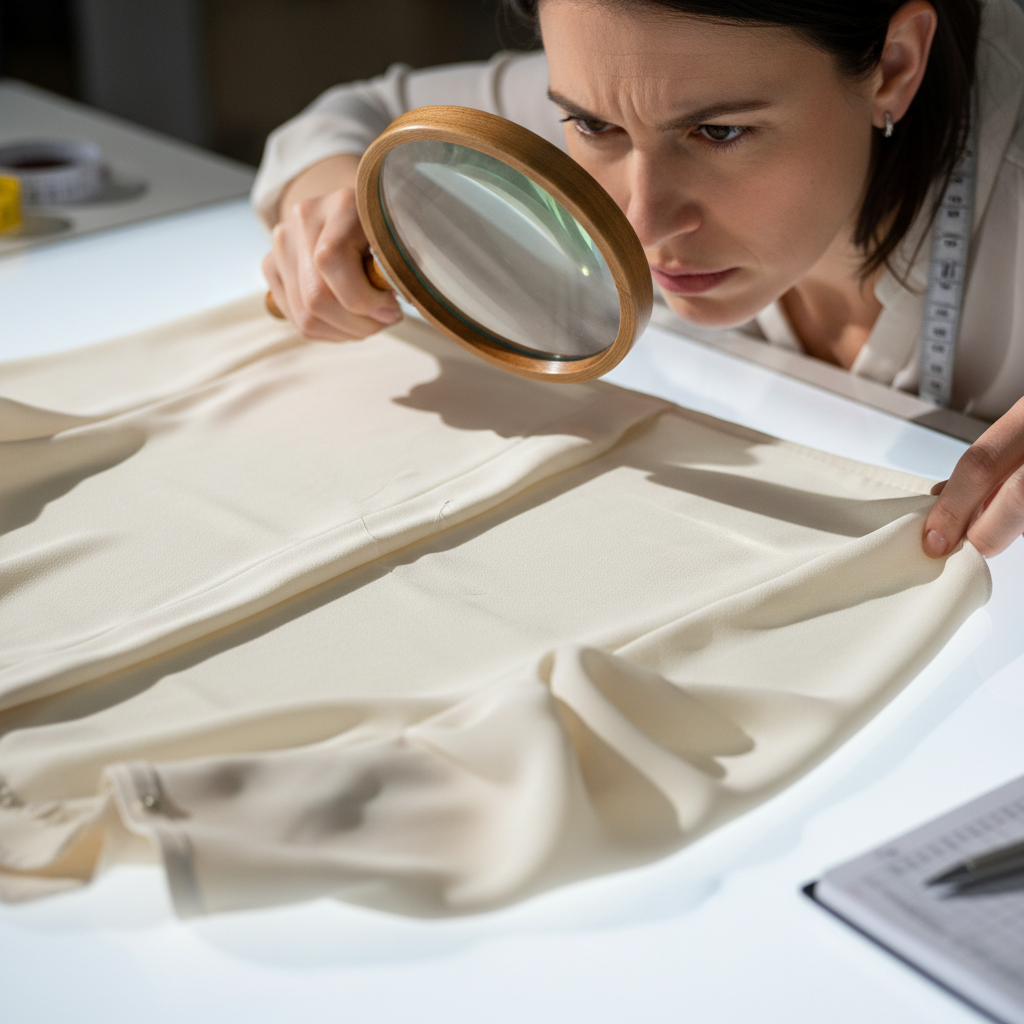
Every finished garment undergoes rigorous inspection. Seam strength, color consistency, measurements, and finishing details are checked against specification sheets.
QC teams reject garments that fall outside a 2–3% tolerance range for measurements and construction.
Final Product
Approved garments are pressed, tagged, and packaged. The journey from concept to wearable art is complete — ready to tell its story on the wearer.
Premium brands add hand-finishing touches, custom packaging, and authentication measures before distribution.
The Fabric
of Fashion
Every garment begins with a material choice. Understand the properties, trade-offs, and best uses of the most important fabrics in fashion.
Cotton
Natural · Plant-based
Pros
- Breathable & comfortable
- Hypoallergenic
- Easy to dye
Common Uses
T-shirts, casual wear, denim, underwear
Polyester
Synthetic · Petroleum-based
Pros
- Highly durable
- Wrinkle-resistant
- Quick-drying
Common Uses
Activewear, outerwear, blended fabrics
Silk
Natural · Silkworm-derived
Pros
- Naturally temperature-regulating
- Hypoallergenic
- Lustrous sheen
- Strong for its weight
Cons
- Delicate, requires care
- Expensive
- Sensitive to sunlight
Common Uses
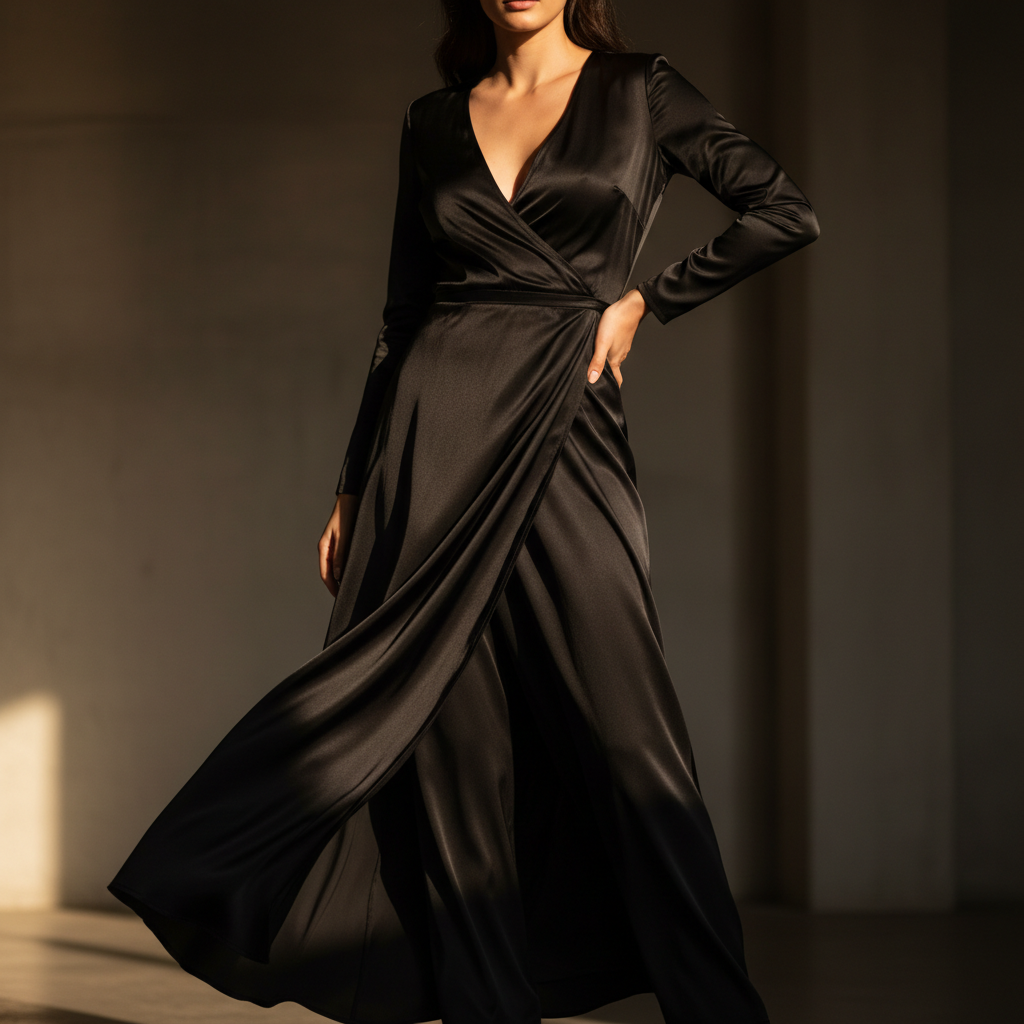
Evening wear, blouses, scarves, lingerie
Wool
Natural · Animal-based
Pros
- Excellent insulation
- Moisture-wicking
- Naturally flame-resistant
Common Uses
Coats, suits, knitwear, winter accessories
Denim
Natural · Cotton weave
Pros
- Extremely durable
- Improves with age
- Versatile styling
Common Uses
Jeans, jackets, skirts, workwear
Leather
Natural · Animal hide
Pros
- Extremely durable
- Develops character
- Water-resistant
Common Uses
Jackets, shoes, bags, belts, accessories
Linen
Natural · Flax plant
Pros
- Highly breathable
- Moisture-absorbing
- Eco-friendly
Common Uses
Summer clothing, shirts, trousers, bedding
6–8 wks
Concept
8–12 wks
Sampling
12–16 wks
Production
“Fashion is not something that exists in dresses only. Fashion is in the sky, in the street — in the way of living.”
The Designer's
Role & Vision
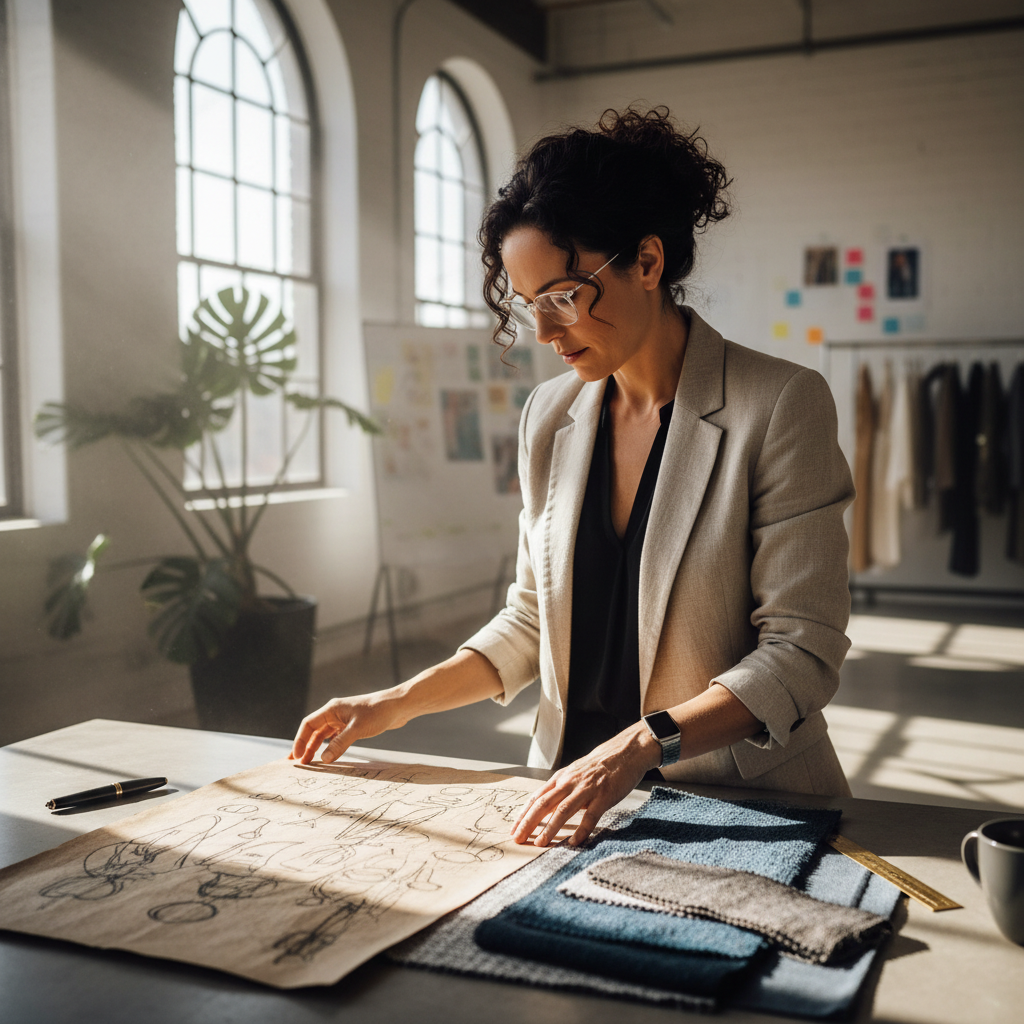
Fashion designers are part artist, part engineer, part cultural anthropologist. They observe the world — its politics, art, technology, and social shifts — and translate those observations into wearable expression.
A designer's work spans research, sketching, material selection, technical construction, and storytelling. The best designers don't just create clothes — they create context, identity, and meaning.
How Trends Are Born
Trend forecasting agencies analyze cultural signals 2 years ahead
Designers interpret macro trends through their unique lens
Runway shows debut concepts to press and buyers
High street and fast fashion adapt for mass market
Social media accelerates adoption and creates micro-trends
Conceptual Sketching
Translating mood and vision into form
Fabric Sourcing
Selecting materials that serve the design intent
Pattern Development
Engineering how fabric becomes structure
Trend Forecasting
Reading culture to anticipate what comes next
Fit & Refinement
Iterating on prototypes until perfect
Collection Storytelling
Building a narrative across a full range