Clothing
Design Styles
Seven distinct worlds of fashion — each with its own history, aesthetic language, and cultural significance.
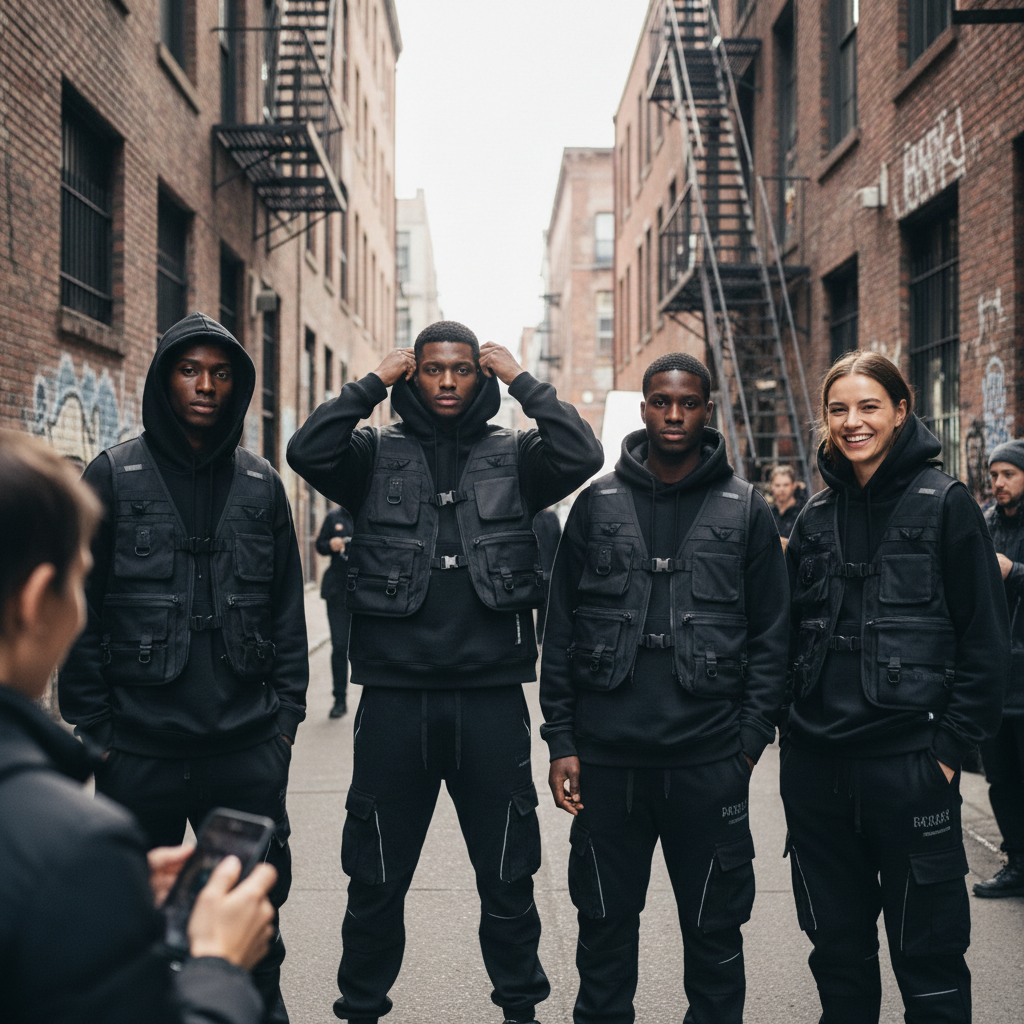
Urban culture meets high fashion
Streetwear
About Streetwear
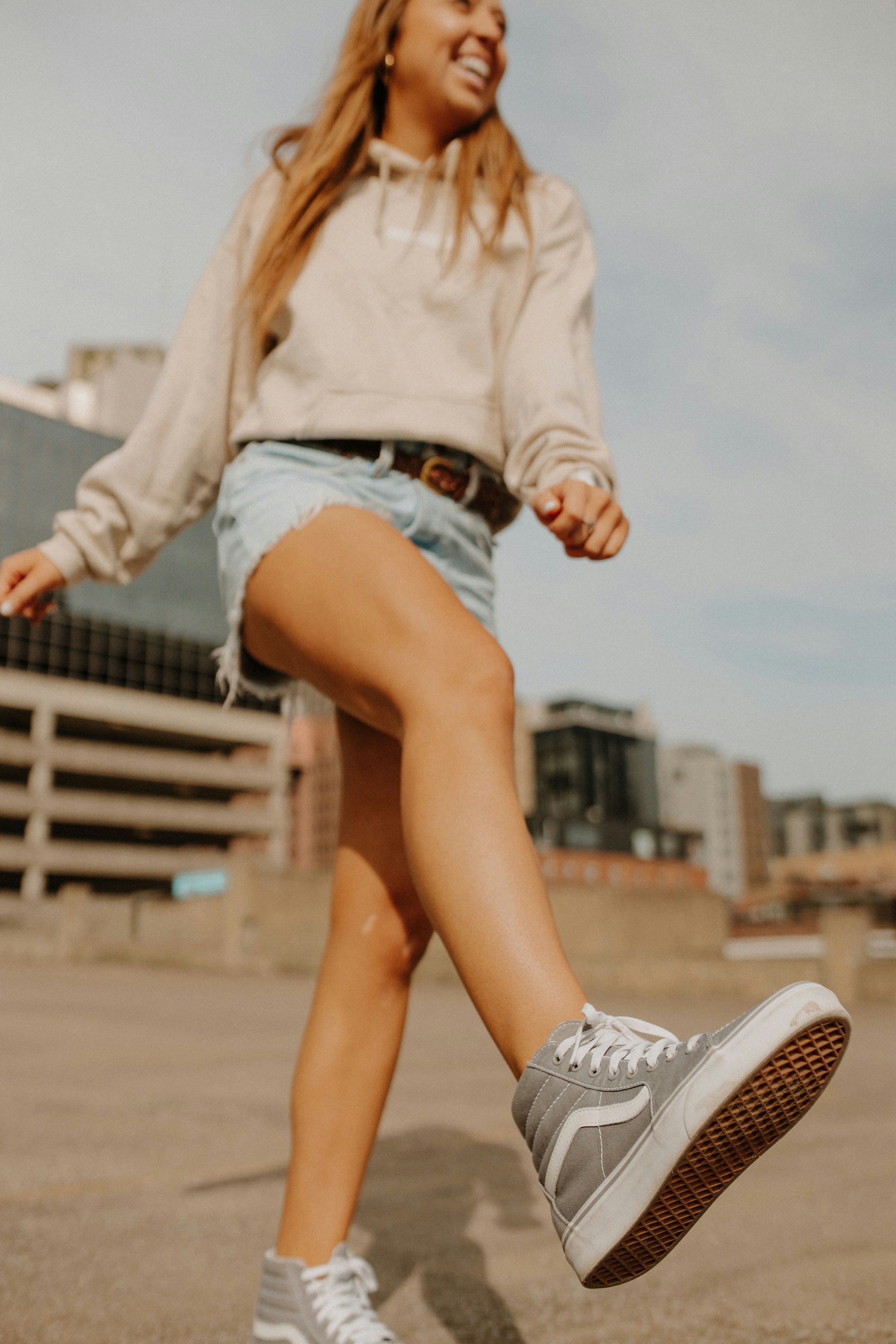
Streetwear emerged from skate culture, hip-hop, and youth subcultures in the 1980s and 90s. Today it sits at the intersection of luxury fashion and everyday wear, with brands like Supreme, Off-White, and Palace commanding global cultural influence.
Design Inspiration
Inspired by skateboarding, basketball courts, graffiti art, and music culture. Streetwear designers draw from the streets themselves — observing what youth wear, what they reject, and what they remix.
Key Pieces
Defining Characteristics
Gallery
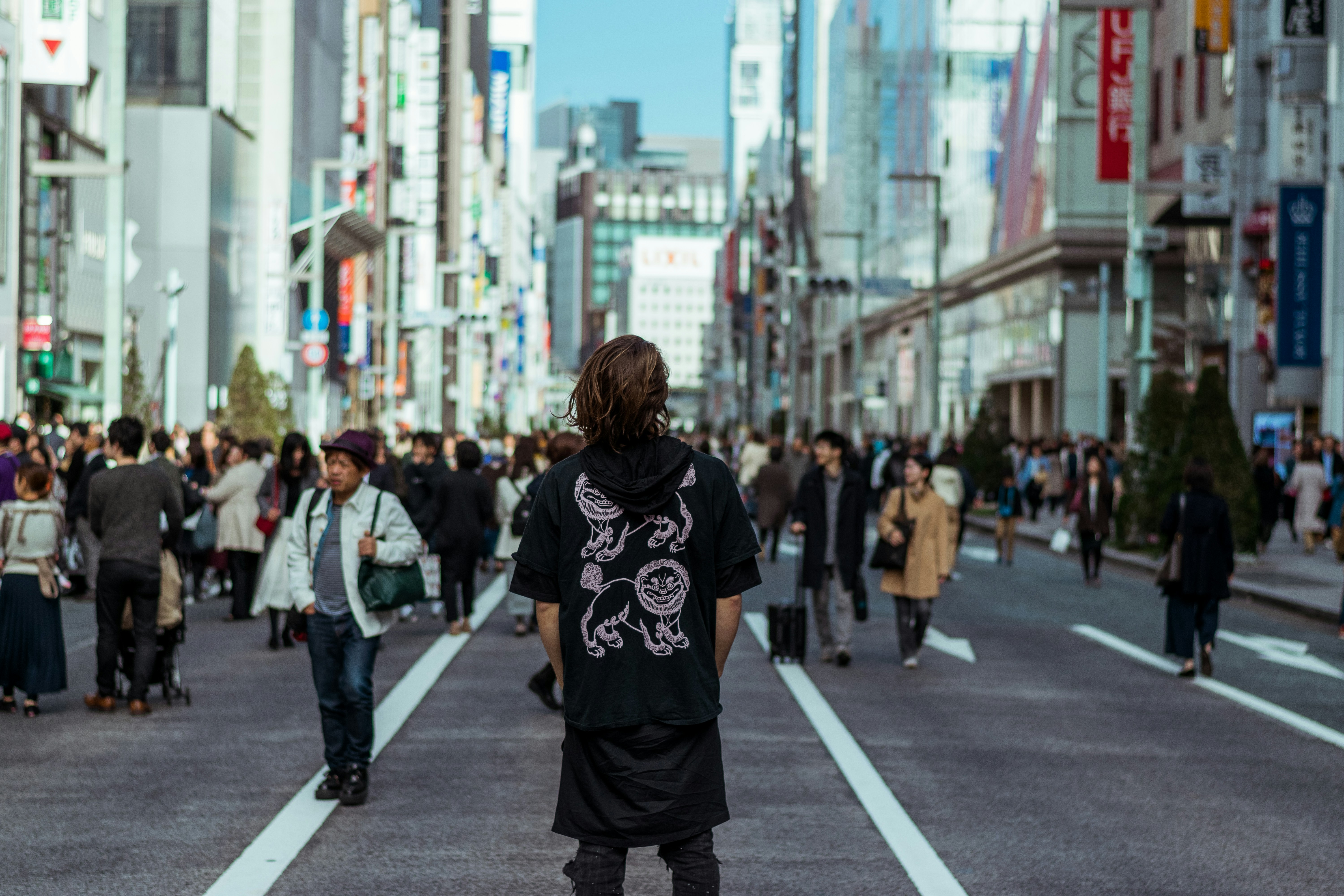
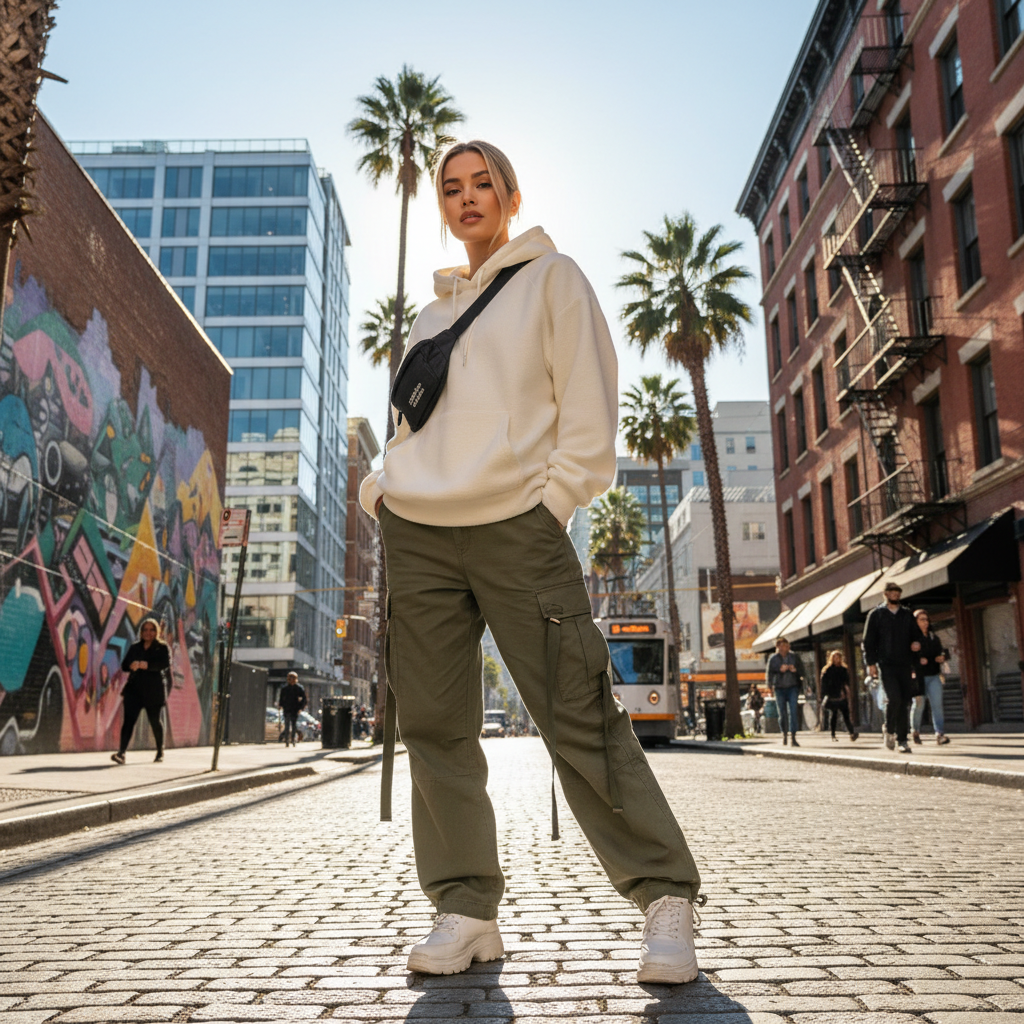
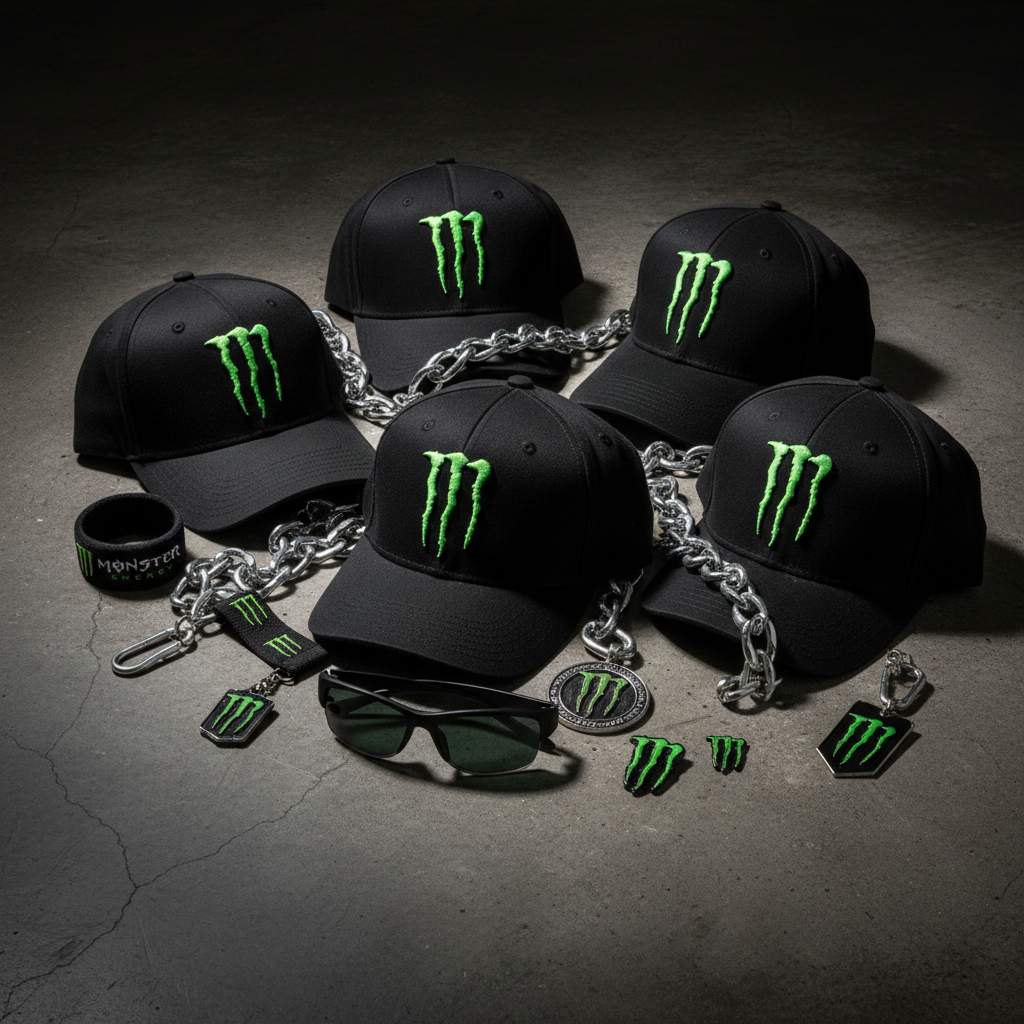
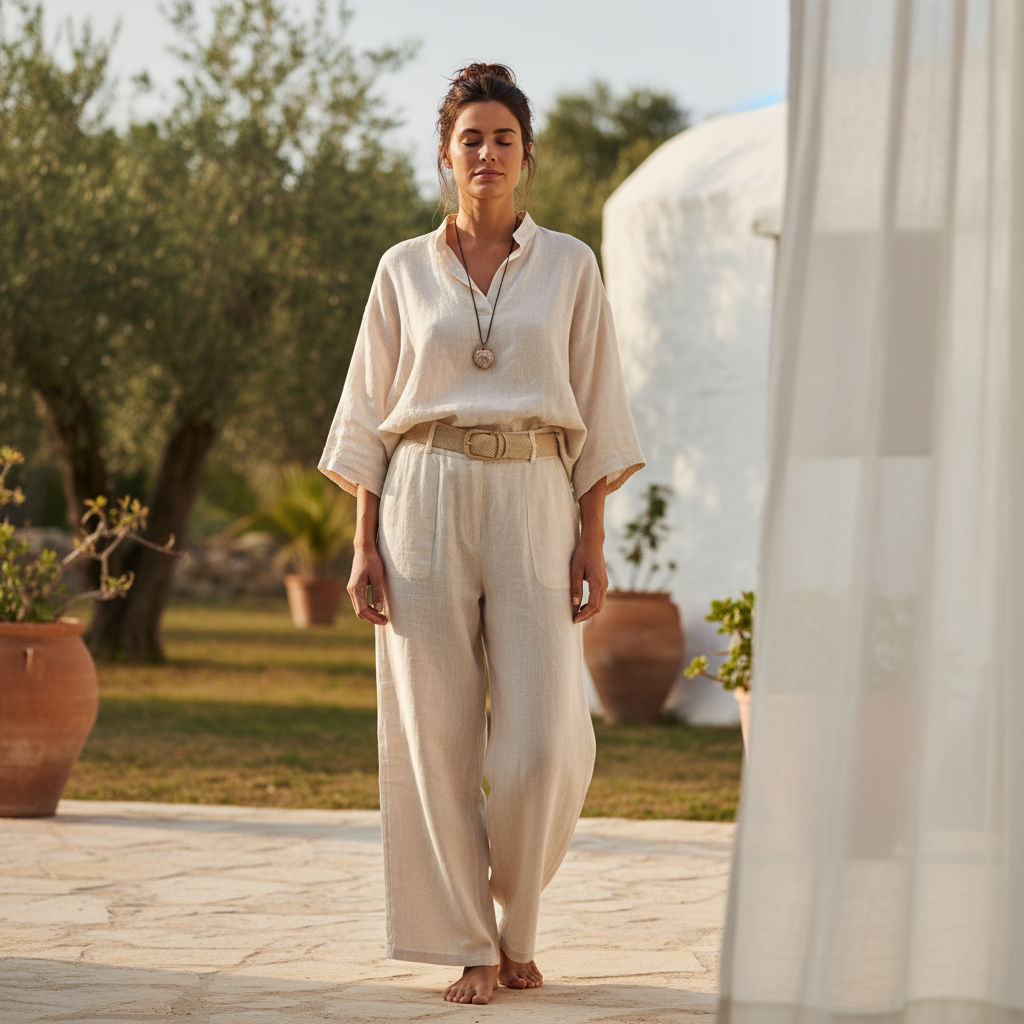
Effortless everyday elegance
Casual
About Casual
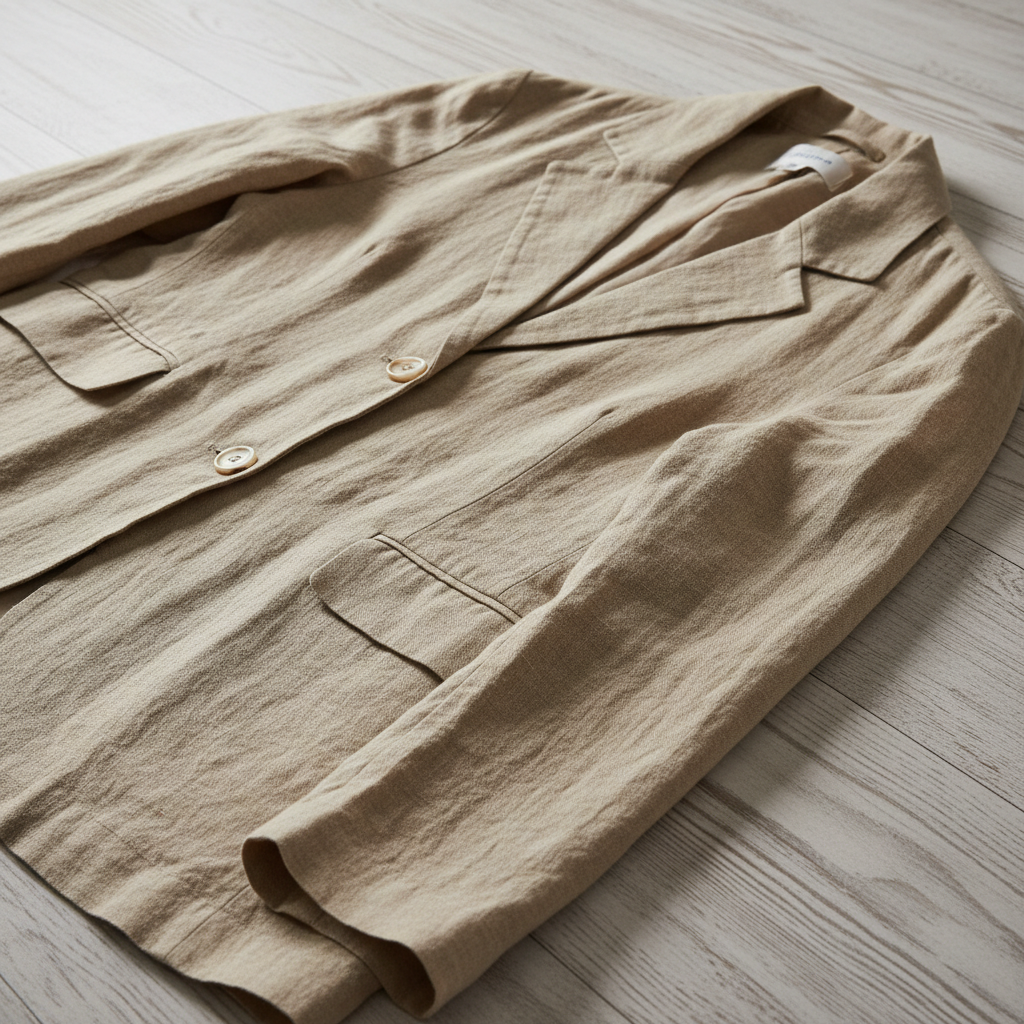
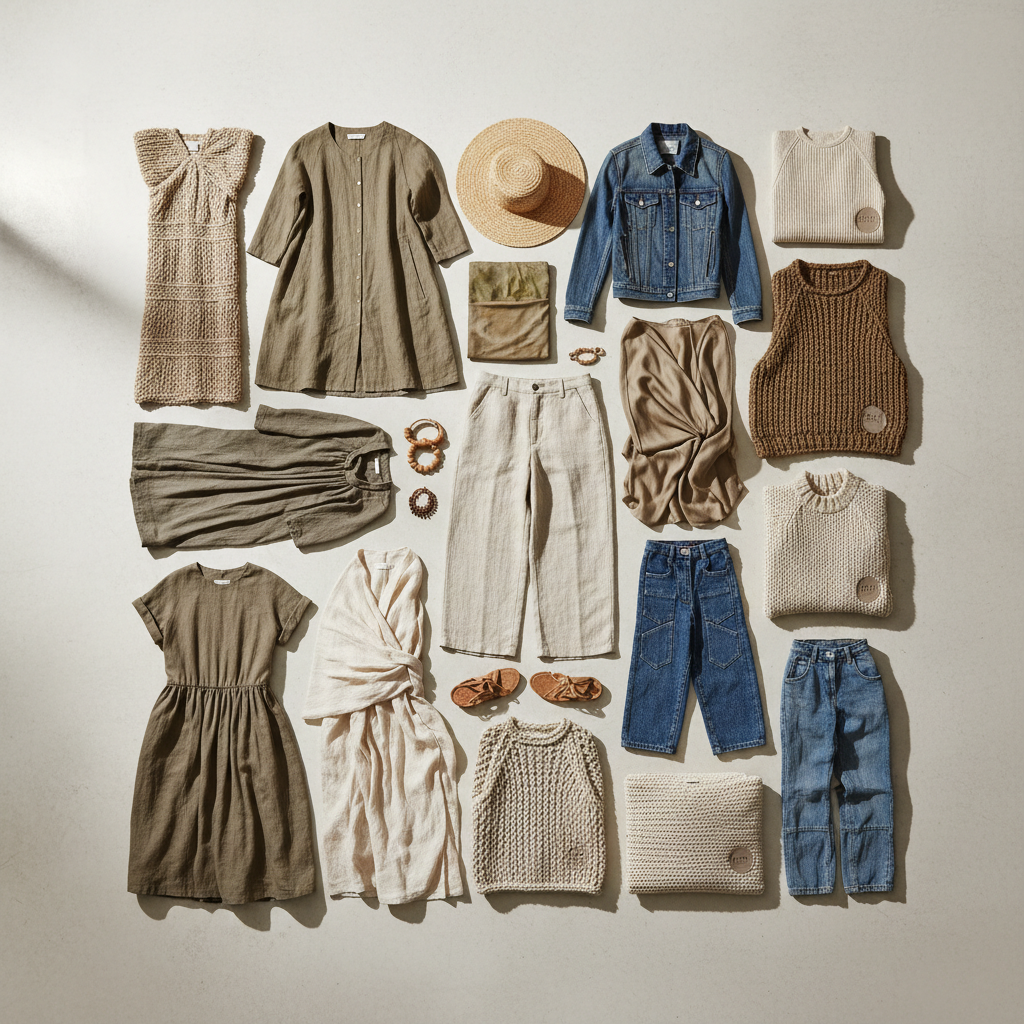
Casual fashion is the art of looking put-together without looking like you tried too hard. It prioritizes comfort and wearability while maintaining visual coherence — the perfect wardrobe for the everyday person navigating modern life.
Design Inspiration
Inspired by Californian beach culture, Scandinavian minimalism, and the "quiet luxury" movement. Casual designers focus on fabric quality, perfect fit, and subtle detail over statement-making.
Key Pieces
Defining Characteristics
Gallery
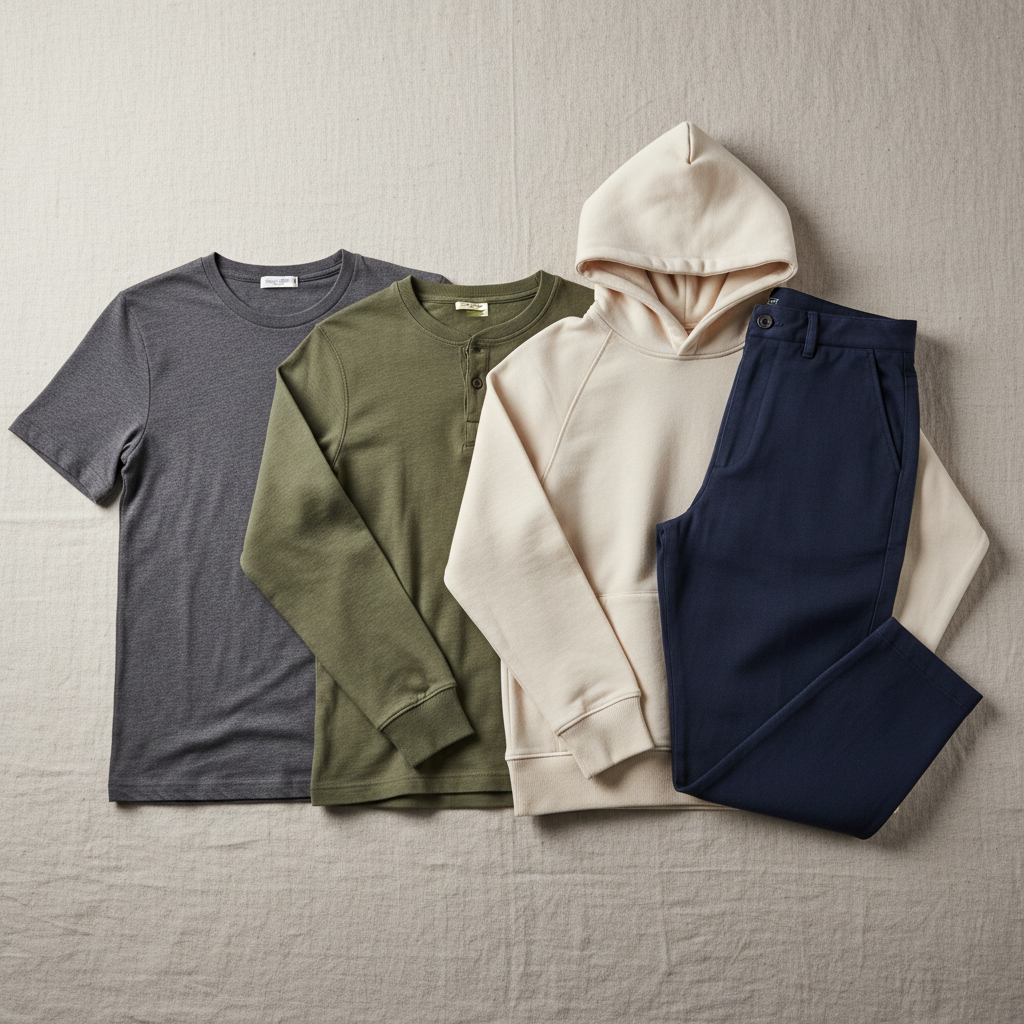
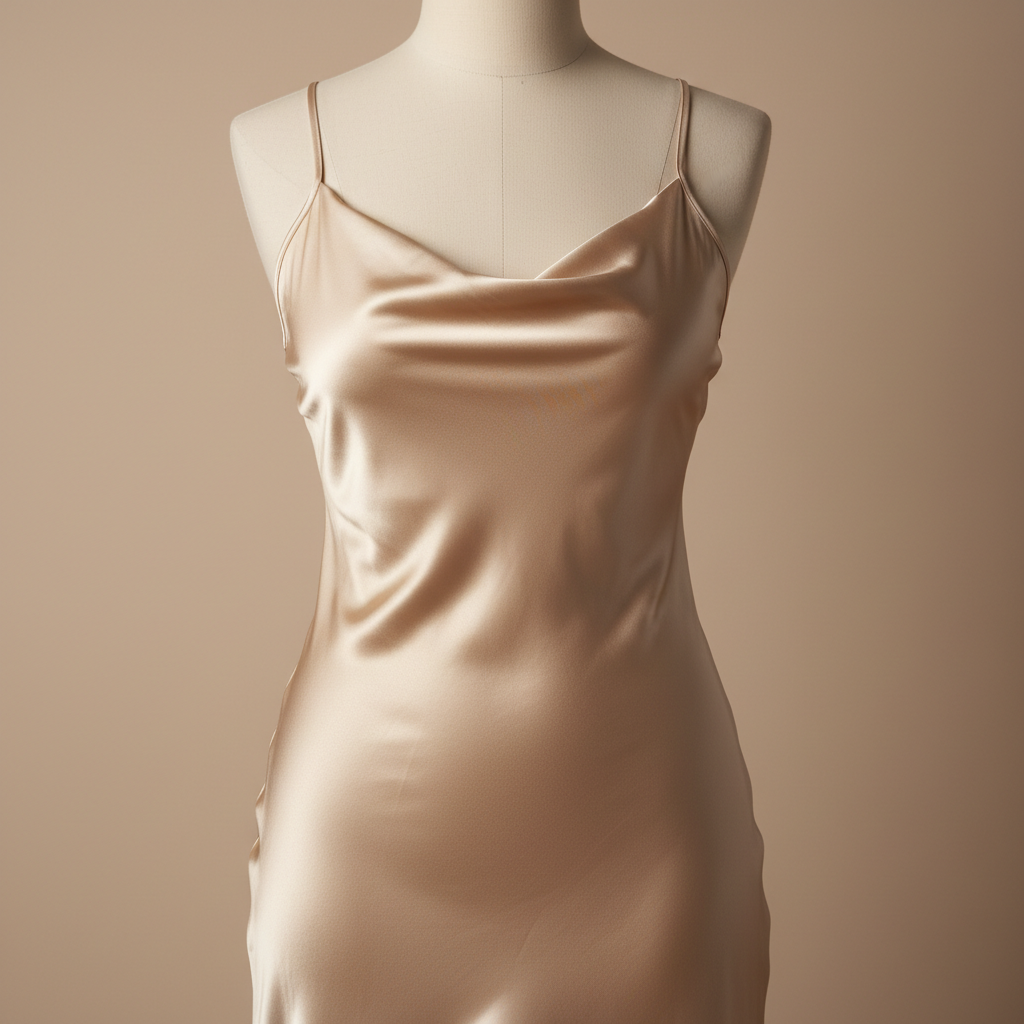
Couture craftsmanship, elevated
Luxury
About Luxury
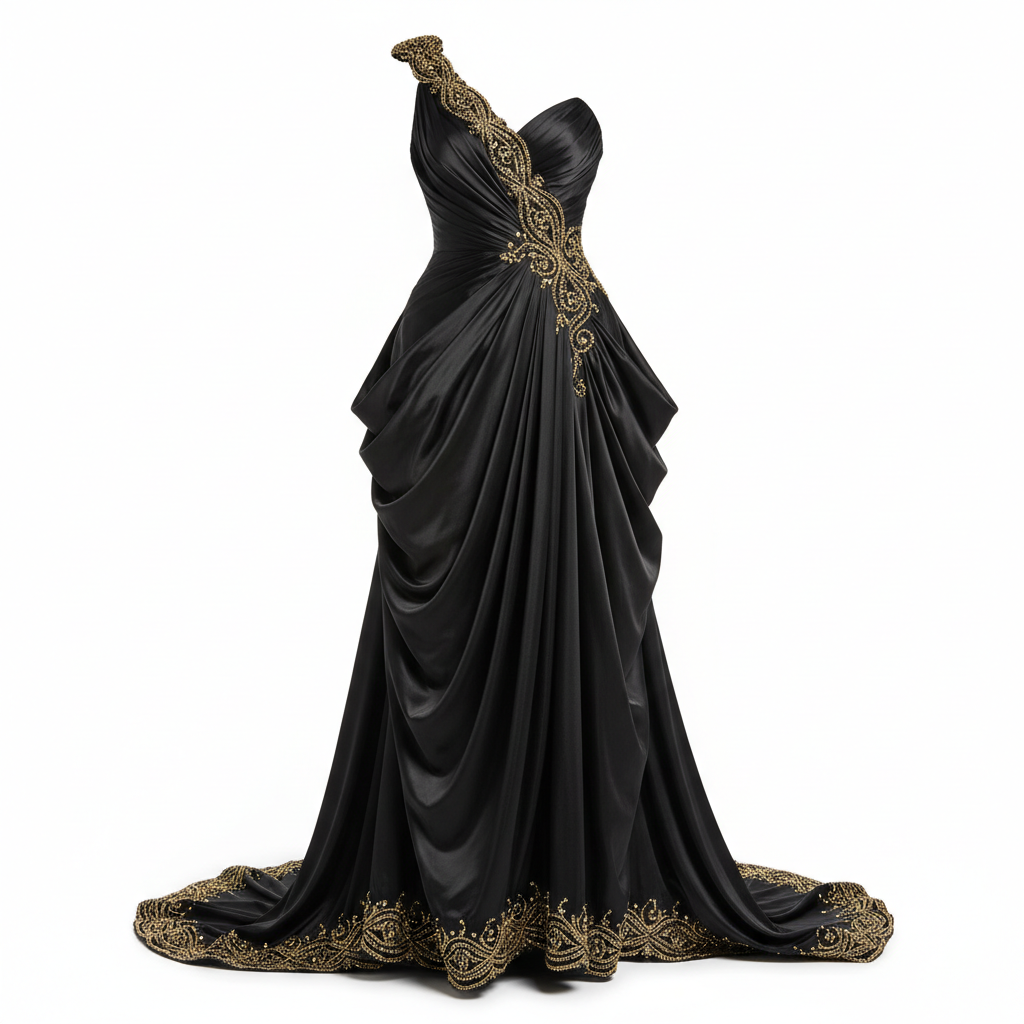
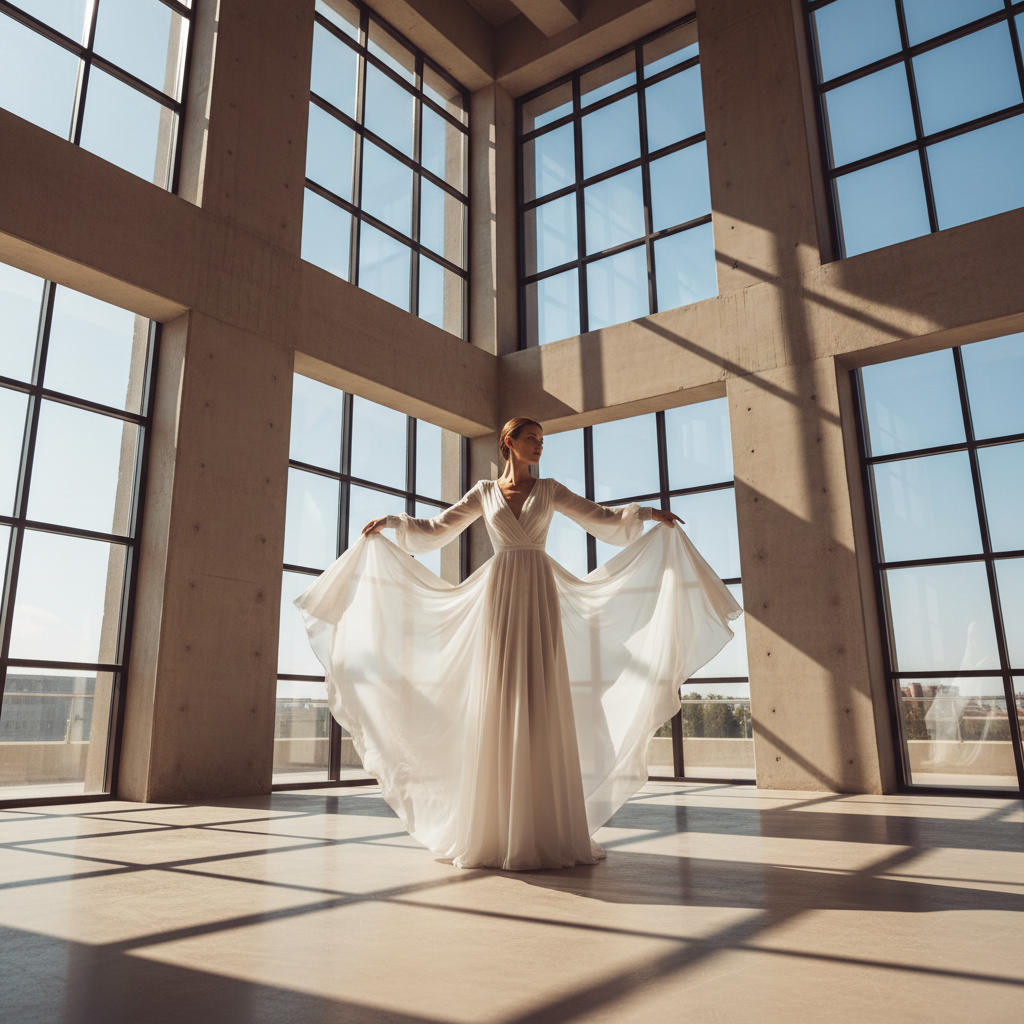
Luxury fashion represents the pinnacle of garment craftsmanship. At this level, every stitch is intentional, every fabric is sourced for exceptional quality, and every silhouette is the result of years of design refinement. Luxury is about permanence — pieces meant to outlast trends.
Design Inspiration
Inspired by architecture, fine art, and cultural heritage. Luxury houses like Chanel, Dior, and Balenciaga draw from historical couture traditions while pushing the boundaries of what garments can be.
Key Pieces
Defining Characteristics
Gallery
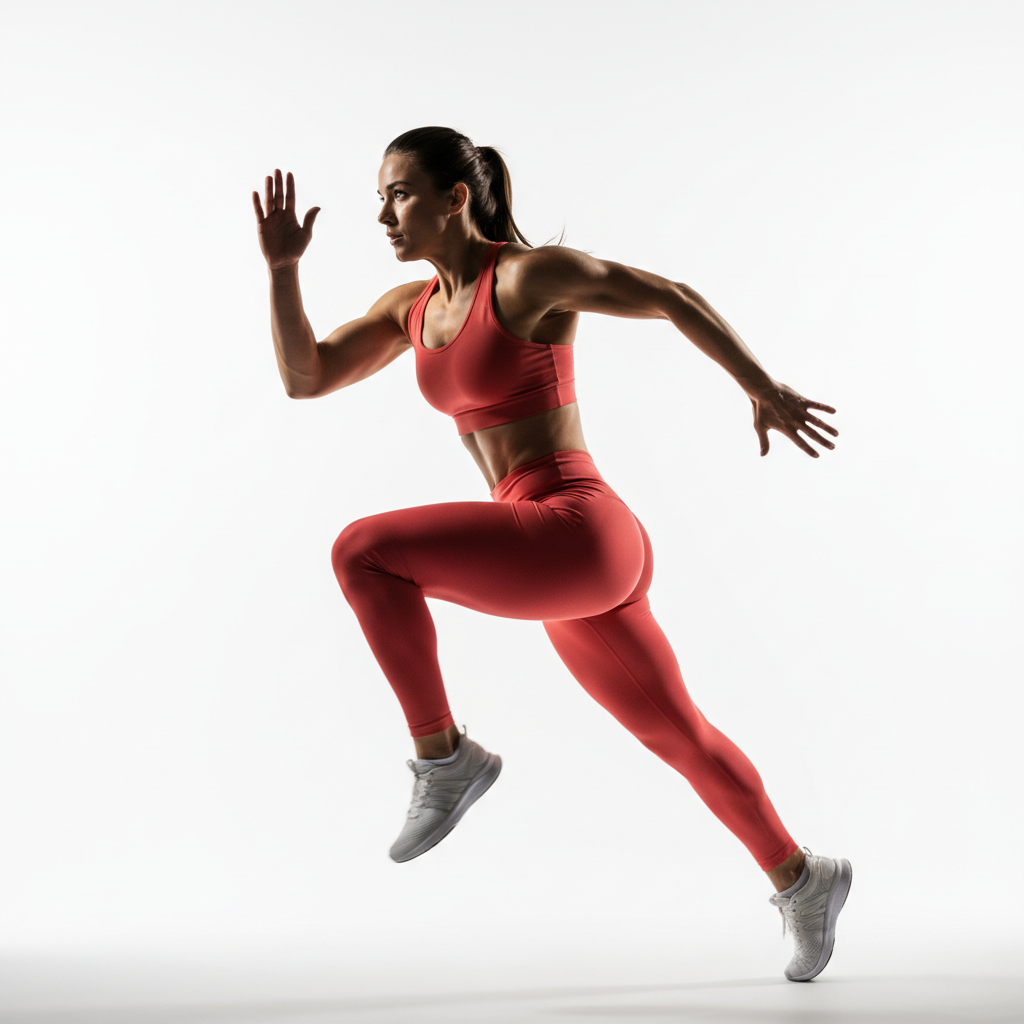
Performance meets aesthetic
Sportswear
About Sportswear
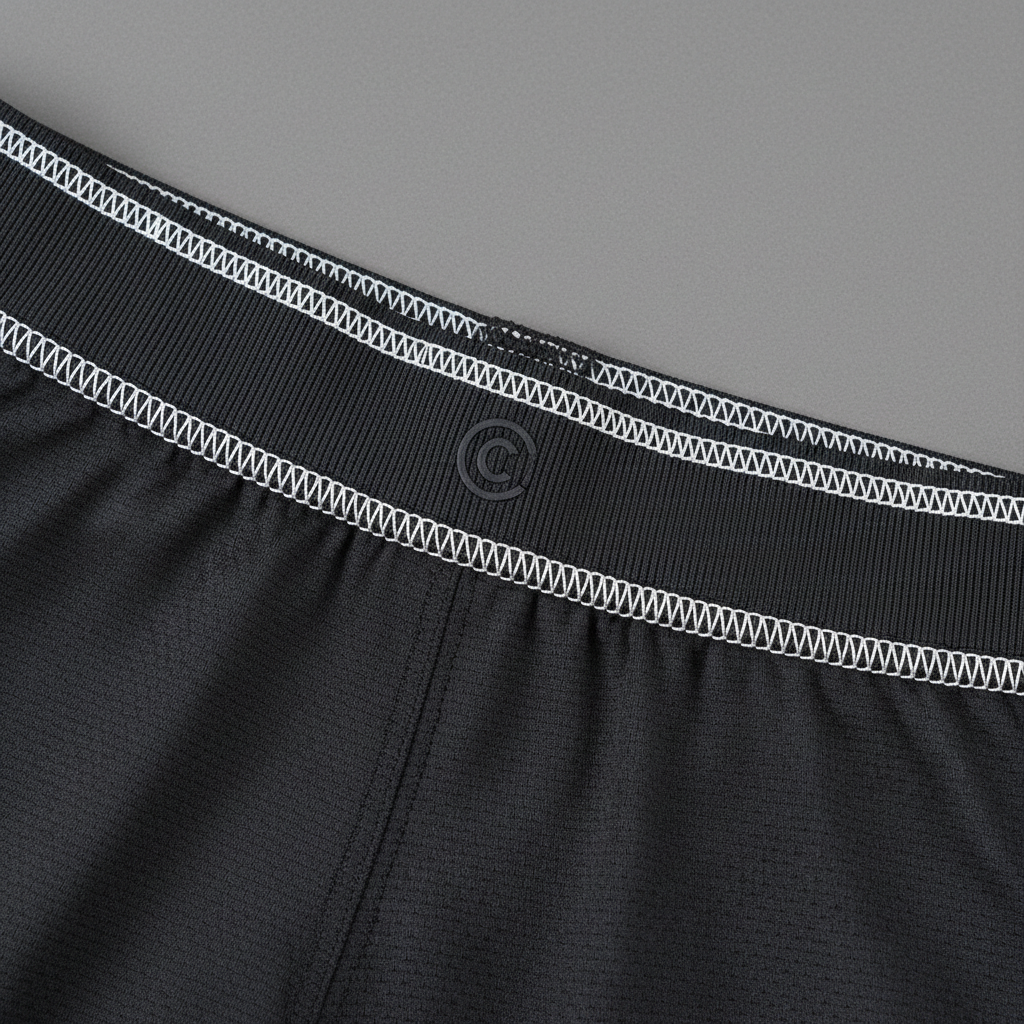
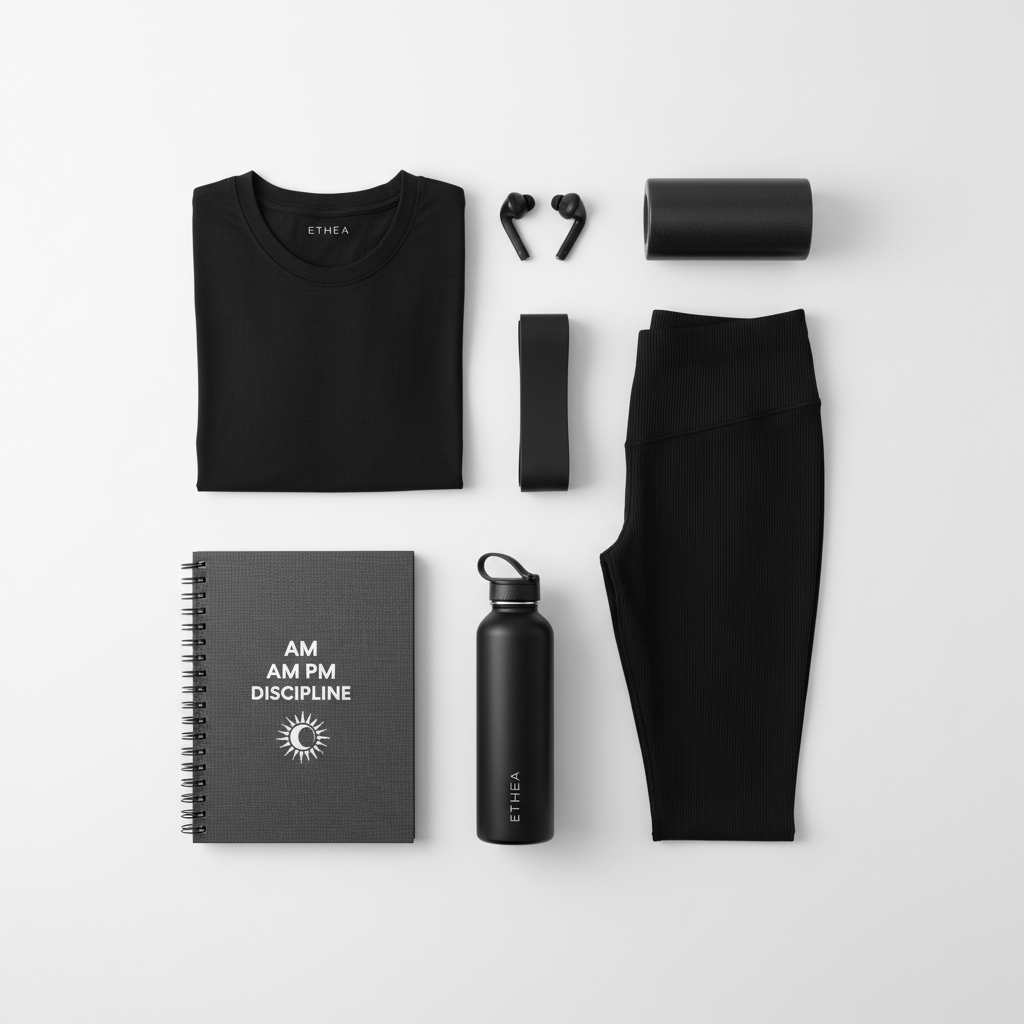
Modern sportswear has transcended the gym. Athleisure — the fusion of athletic and leisure wear — is now one of the fastest growing segments in fashion. Technical fabrics developed for performance have found their way into everyday wardrobes worldwide.
Design Inspiration
Inspired by Olympic athletes, biomechanics research, and the active lifestyle movement. Sportswear designers work closely with material scientists to develop fabrics that move with the body, regulate temperature, and maintain their form through intense activity.
Key Pieces
Defining Characteristics
Gallery

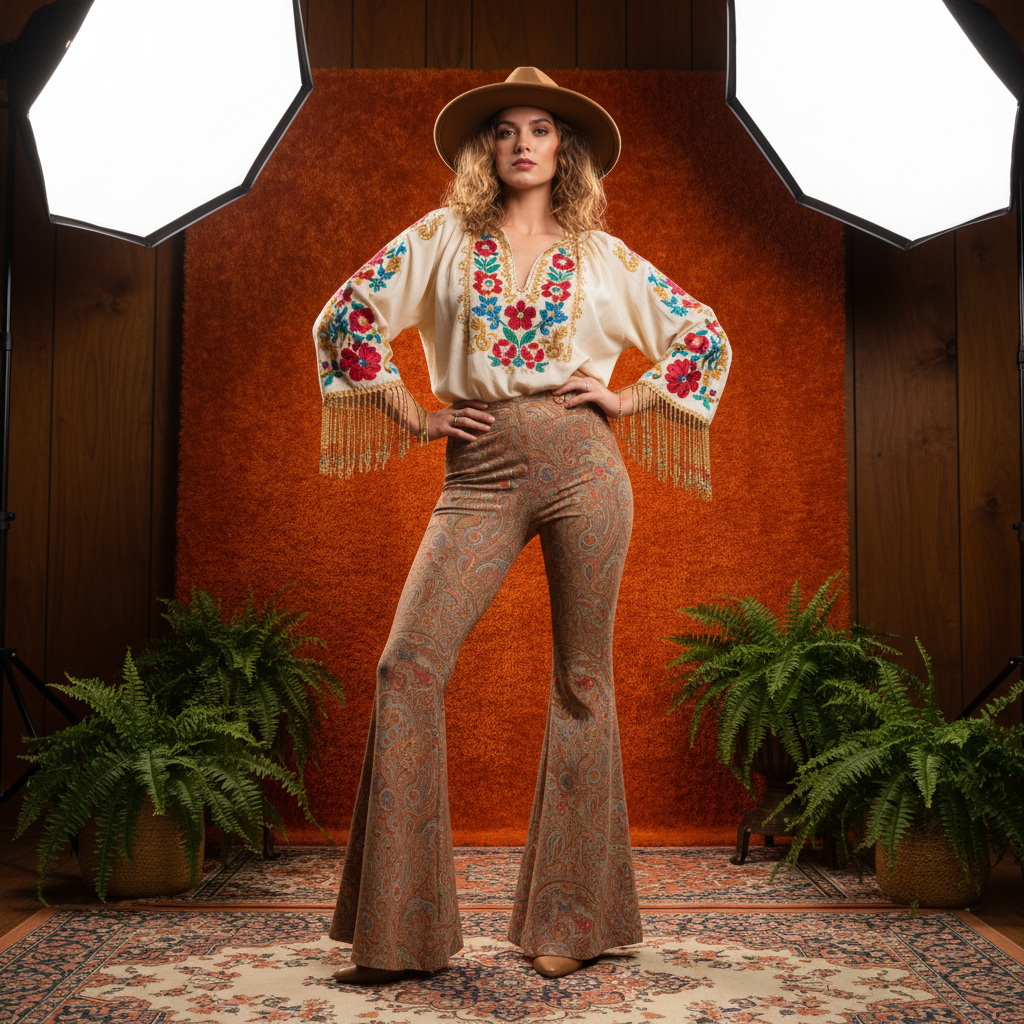
Timeless silhouettes reimagined
Vintage
About Vintage
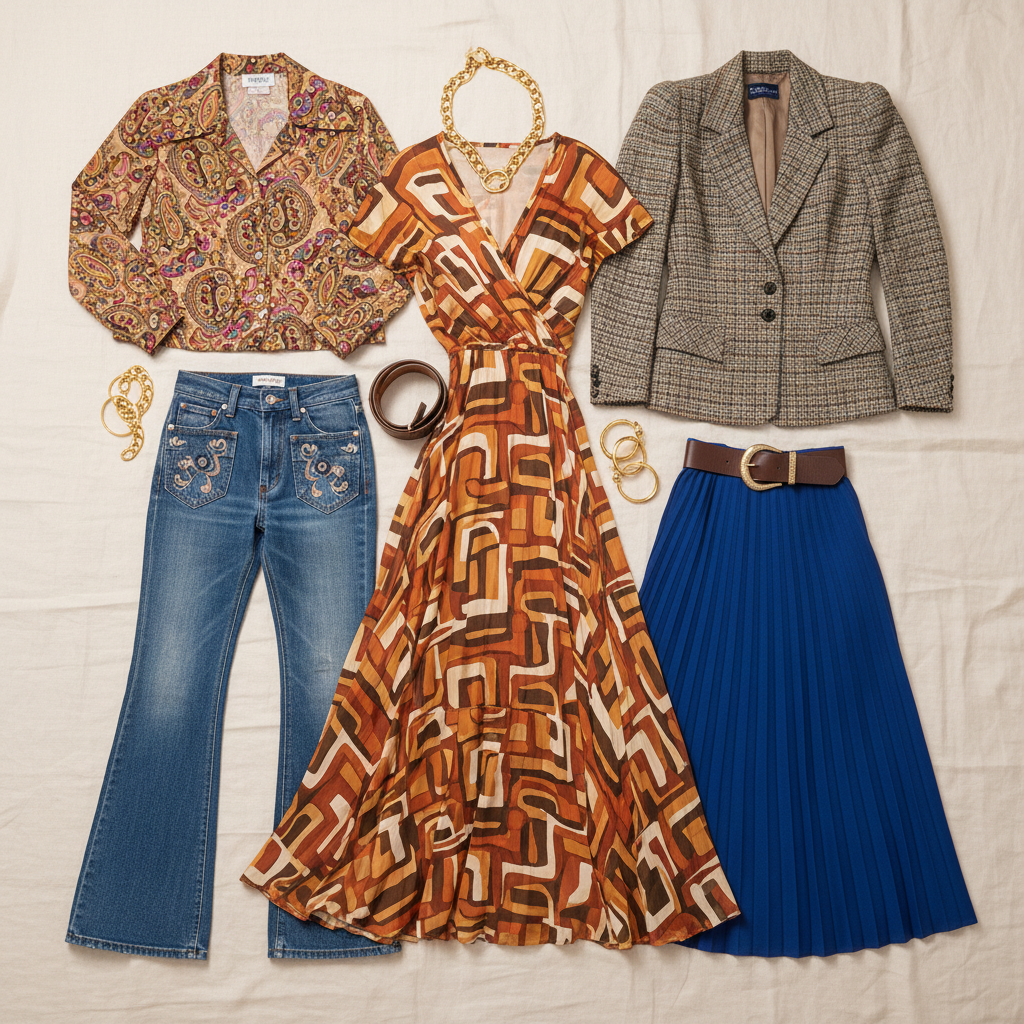
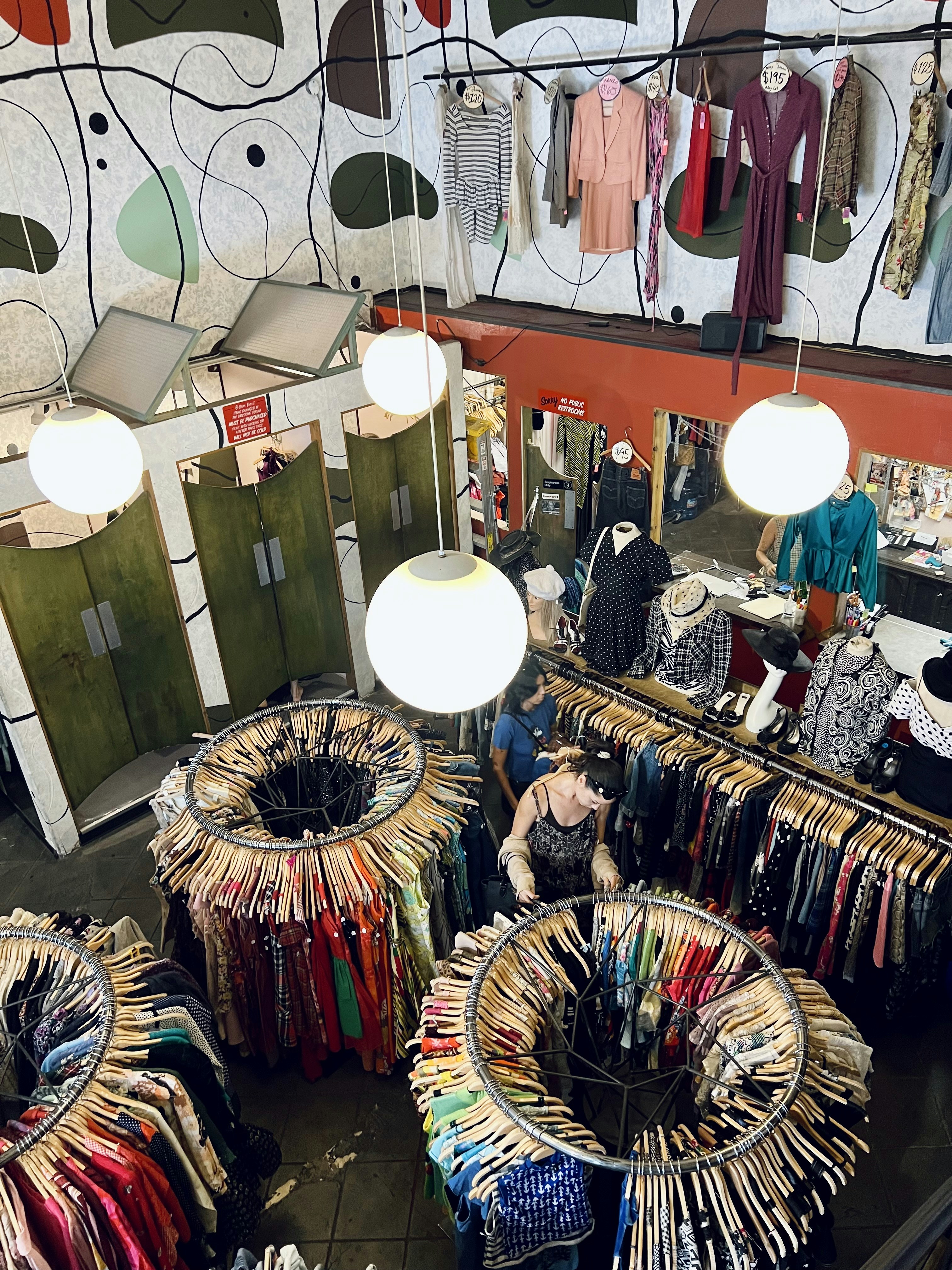
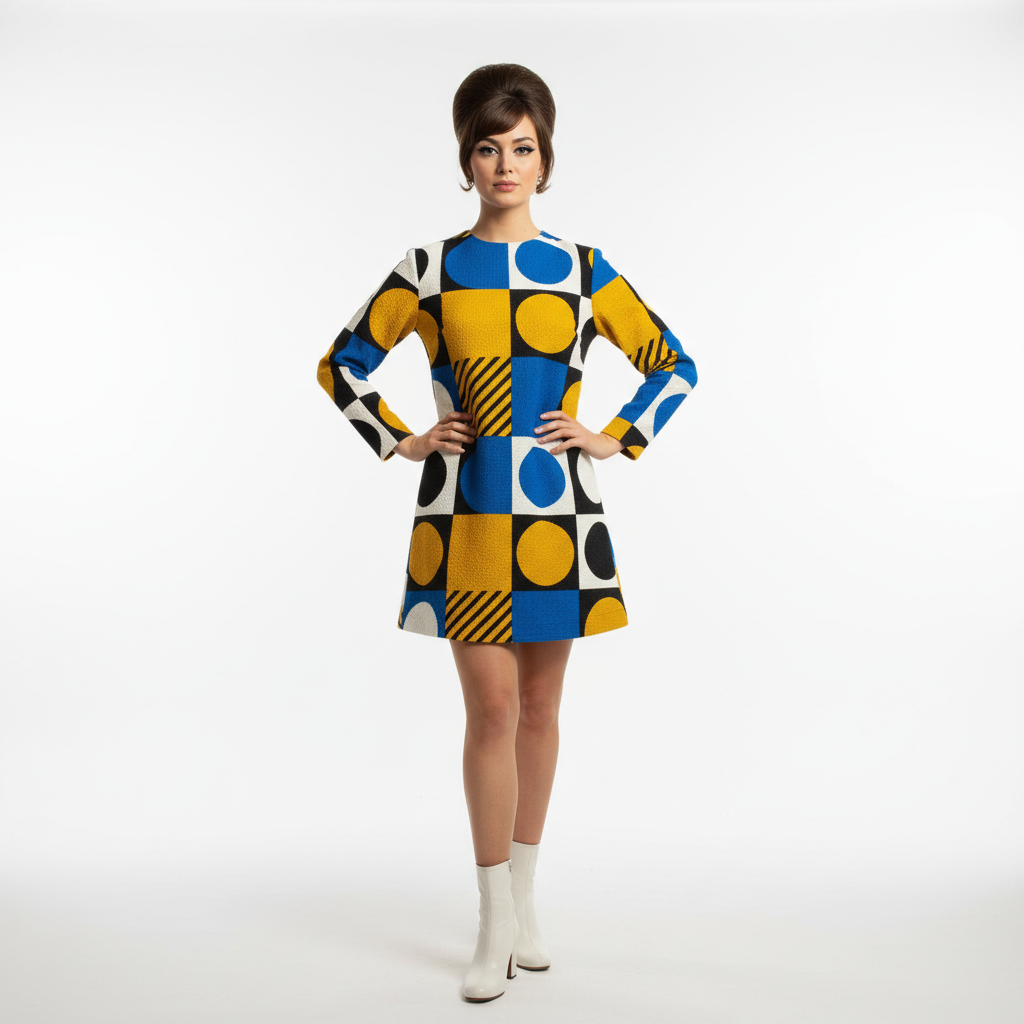
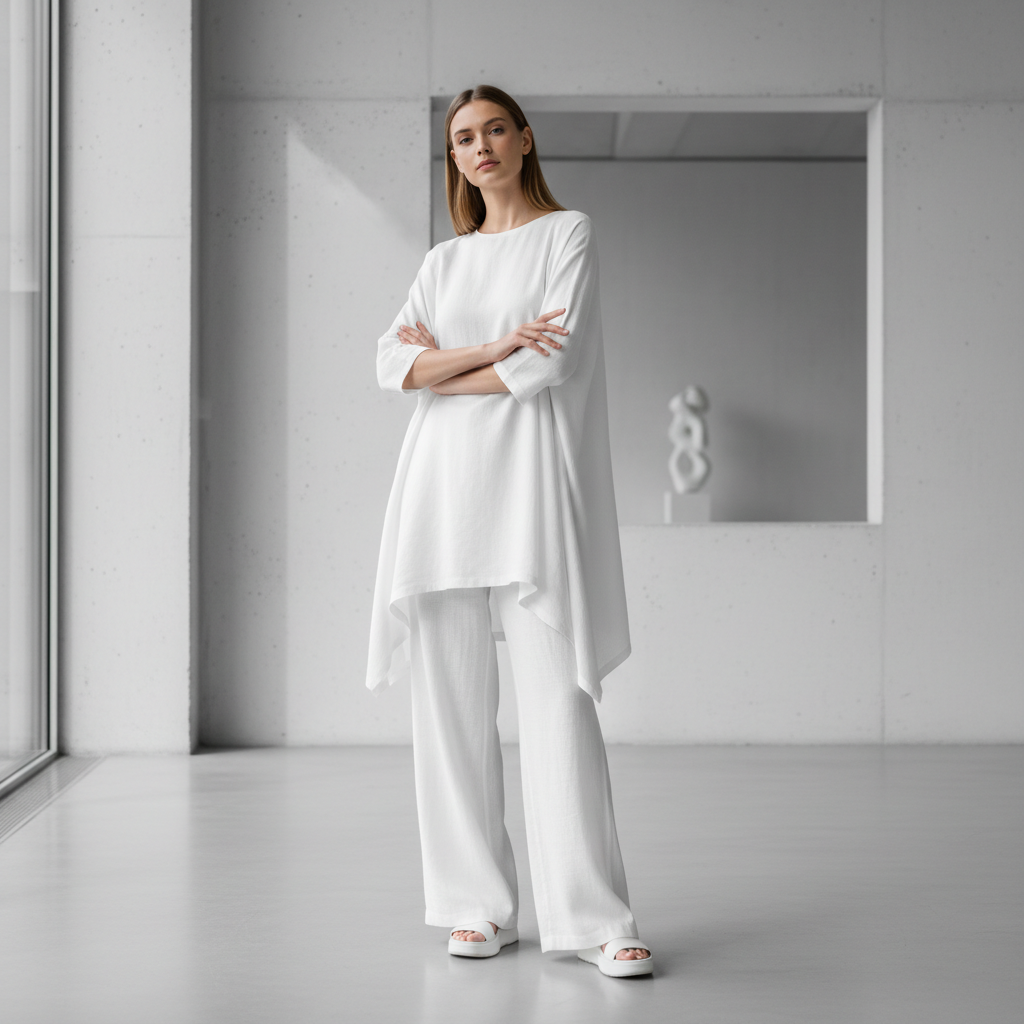
Vintage fashion is a dialogue between past and present. Whether sourcing authentic period pieces or recreating historical silhouettes through a modern lens, vintage style celebrates the design innovation of previous eras while finding new relevance for contemporary wearers.
Design Inspiration
Each decade offers distinct aesthetic signatures: the structured formality of the 1940s, the New Look revolution of the 1950s, the psychedelic freedom of the 1960s, the bohemian earthiness of the 1970s, and the power dressing of the 1980s.
Key Pieces
Defining Characteristics
Gallery
Less is more, always
Minimalist
About Minimalist
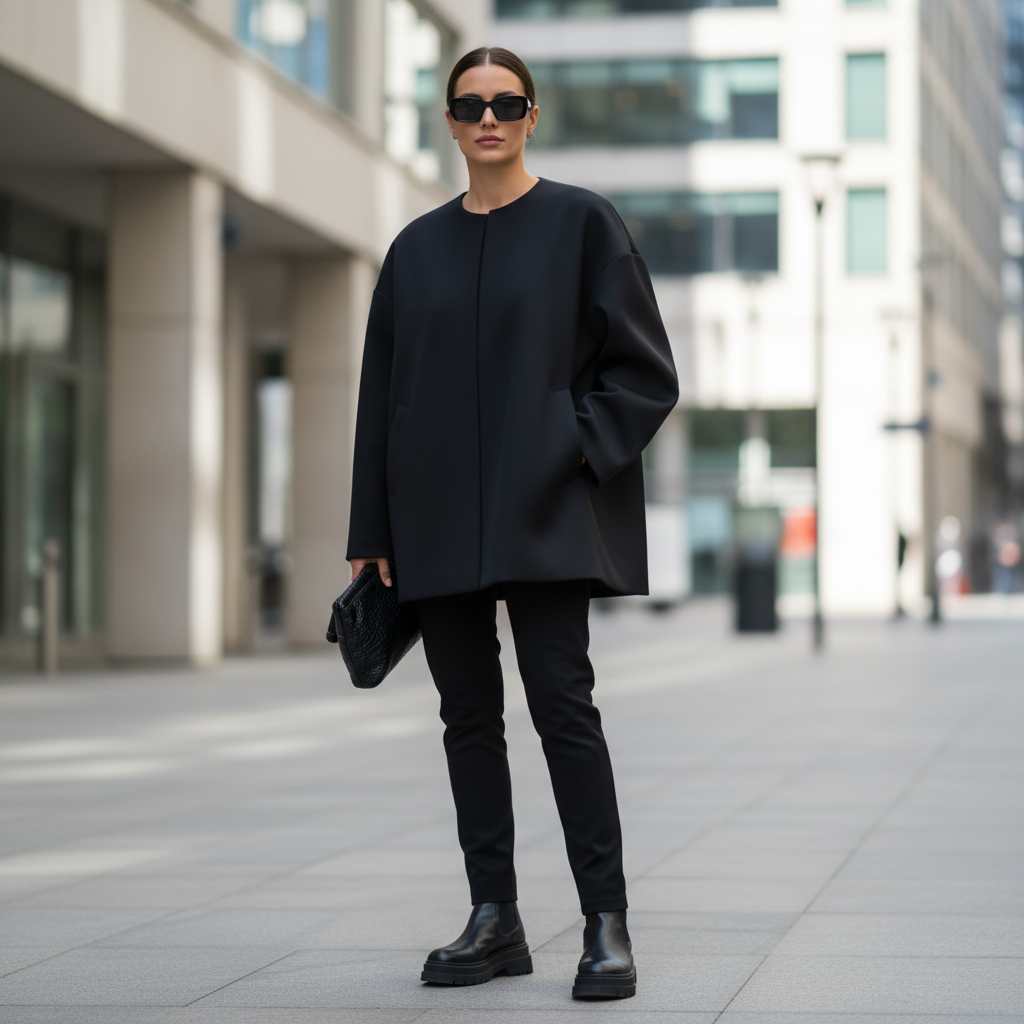
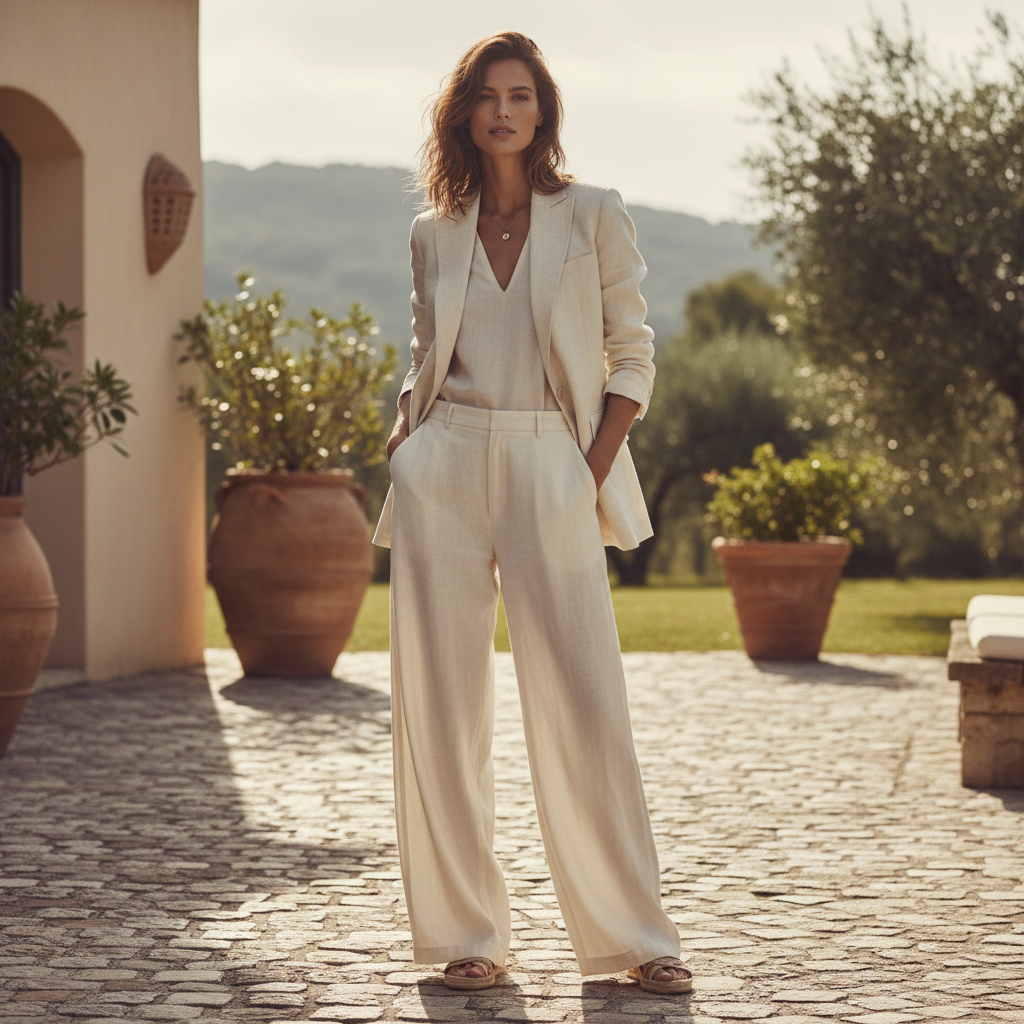
Minimalist fashion strips clothing back to its essential elements. Clean lines, restrained palettes, and exceptional fabric quality replace decoration and excess. It is a philosophy as much as an aesthetic — a commitment to intention over impulse.
Design Inspiration
Deeply influenced by Japanese wabi-sabi philosophy, the Bauhaus design movement, and architects like Tadao Ando. Minimalist designers like Jil Sander, Helmut Lang, and The Row have built careers on the mastery of simplicity.
Key Pieces
Defining Characteristics
Gallery

Comfort redefined through volume
Oversized
About Oversized
Oversized fashion challenges the convention that clothes should follow the body's silhouette. By embracing excess volume, oversized design creates dramatic visual impact, challenges gender norms, and prioritizes comfort without sacrificing style.
Design Inspiration
Emerging from Japanese avant-garde designers like Yohji Yamamoto and Comme des Garçons in the 1980s, oversized fashion has been reinterpreted through hip-hop culture, normcore, and contemporary luxury streetwear.
Key Pieces
Defining Characteristics
Gallery